Home » Isometric Training for Speed » ISOMETRIC TRAINING FOR SPEED: The Complete System to Run Faster
Introduction
If you’ve been training hard but your speed hasn’t improved…
👉 you’re not alone
Most athletes are doing everything they’ve been told should work:
- sprinting more
- lifting weights
- pushing harder
👉 And those things do help
But sometimes:
👉 they don’t fully translate into speed
🚀 Start Here
If you’re new to this system, follow this path:
👉 Understand why most training doesn’t improve speed:
➡️ Why You’re Not Getting Faster (Even If You Train Hard)
👉 Learn how isometric training actually works:
➡️ Isometric Training for Speed: Why It Works
👉 See what’s happening inside your muscles:
➡️ Why Your Muscles Shake During Training
👉 Understand the science behind it:
➡️ Motor Unit Recruitment for Speed
⚡ The Real Issue Isn’t Effort—It’s Focus
Most training methods are designed to improve:
- strength
- endurance
- power
👉 All important qualities
But speed depends on something more specific:
💥 how quickly your muscles activate, coordinate, and respond
👉 This is part of a complete, system-based approach to speed:
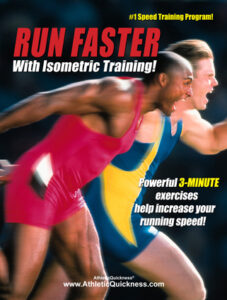
➡️ Run Faster with Isometric Training
🧠 Why Athletes Hit a Speed Plateau
Over time, athletes often:
- get stronger
- build endurance
- improve conditioning
👉 But still don’t get significantly faster
Not because they aren’t working hard…
👉 but because they’re not directly developing how their muscles behave for speed
👉 If this sounds familiar, this breakdown explains it clearly:
➡️ Why Your Muscles Stop Adapting (And How to Fix It for Speed)
⚖️ Two Common Paths (And Where They Help)
When athletes try to get faster, they usually lean toward:
Option 1: Build More Strength
- increase force output
- add muscle
- lift heavier
👉 This builds a strong foundation
Option 2: Stay Lean and Maintain Performance
- avoid excess weight
- maintain strength
- focus on efficiency
👉 This supports movement quality
💥 Both approaches have value
👉 But neither directly targets one key factor:
👉 how fast your muscles contract and coordinate
🔥 The Missing Piece: Contraction Speed
Every step in sprinting depends on how quickly your muscles can:
- activate
- contract
- relax
- repeat
👉 This is controlled by:
- your fast twitch fibers
- your nervous system
You can be:
- strong
- explosive
- well-conditioned
…but still not fast
👉 if your muscles aren’t trained to fire quickly
🧱 What Is Isometric Training for Speed?
Isometric training means:
- contracting a muscle
- holding a position
- without visible movement
👉 But when used for speed, it becomes something more
💥 It trains how quickly your muscles activate and organize force
For a deeper look at the foundation:
➡️ What Is Isometric Training? (And Why Athletes Should Care)
⚡ Why This Type of Training Works
Unlike traditional training:
- there are no repetitions
- there is no momentum
- there is no reliance on movement
👉 Instead:
- muscles must activate instantly
- the nervous system recruits more fibers
- force must be generated quickly
💥 This is a big part of what your muscles need to be able to do to run faster.
🔄 Why Resistance Bands Add Another Layer
Isometric training is powerful on its own
👉 but resistance bands add something unique
Because isometric training involves holding a position:
👉 it’s often thought of as completely still
But in reality:
👉 even during an isometric hold, your body is never perfectly steady
There are always:
- small shifts in position
- subtle changes in tension
- constant internal adjustments
💥 Resistance bands amplify these effects
Because:
- tension changes with even slight movement
- your body must continuously respond
- control is constantly challenged
👉 Understand what bands do for speed:
➡️ How Resistance Bands Improve Speed Training
⚡ What Happens Under Fatigue
As fatigue builds:
- position shifts slightly
- resistance changes
- your system must respond
👉 correct
👉 stabilize
👉 re-engage
💥 This creates a powerful coordination demand
🧠 Why This Improves Speed
In this environment:
- your muscles react faster
- your coordination improves
- your nervous system becomes more efficient
👉 Learn how this improves coordination and balance:
➡️ How Isometric Training Improves Coordination, Balance, and Speed
💥 This is what carries over into speed
To understand why bands are especially effective:
➡️ How Resistance Bands Improve Speed (And What They Add Beyond Weights)
🔑 The Most Overlooked Factor in Speed
Many athletes are leaving speed on the table
👉 not because they lack strength
👉 but because certain muscles are underdeveloped
Especially:
👉 the hip flexor muscle group
These muscles:
- drive the leg forward
- influence stride length
- connect upper and lower body
👉 When trained properly, they can significantly impact speed
➡️ How to Train Hip Flexors for Maximum Speed (Most Athletes Miss This)
⚙️ How This System Improves Performance
When you train this way, you improve:
- contraction speed
- coordination
- balance and control
- neuromuscular efficiency
👉 Which leads to:
- faster turnover
- cleaner mechanics
- more efficient movement
- increased top speed
🔄 How This Fits Into Your Training
This approach does not replace what you’re doing
👉 it builds on it
Continue to:
- lift
- train
- practice your sport
👉 while developing the system that supports speed
💥 That’s where many athletes unlock new performance
👉 Compare this to traditional strength training:
➡️ Isometric Training vs Traditional Strength Training for Speed
🔗 How This Connects to Running Speed
Understanding this system is the first step
👉 applying it is what creates results
🚀 Ready to Apply This?
👉 Learn how to train this system step-by-step:
How to Run Faster: The Complete Guide to Increasing Speed, Power and Performance
⚖️ A Reality About Speed and Progress
Every training method eventually reaches a limit
👉 your body adapts
👉 progress slows
👉 plateaus happen
💥 This is normal
👉 But new training methods create new opportunities
If you haven’t used:
👉 isometric training
👉 especially with resistance bands
💥 then your system likely hasn’t been fully challenged
👉 which means you can still improve
🔥 Final Thought
Most athletes train harder
👉 but not always more effectively
They build strength
👉 but don’t fully develop how it’s used
💥 Real speed comes from how your body organizes force
❓ Frequently Asked Questions
What is isometric training for speed?
It involves holding positions under tension to improve how quickly muscles activate and coordinate.
How does it improve speed?
It trains faster muscle activation and better coordination between muscle groups.
Do I need to stop lifting weights?
No. Strength training is still important—this helps improve how that strength is used.
Why are resistance bands effective?
They create variable tension that forces constant adjustment and coordination.
How often should I train this way?
Short sessions (10–15 seconds per hold), a few times per week, typically when fresh.