Home » Running Muscles for Speed » Glute Muscles for Running Speed: Why Strength Alone Doesn’t Translate to Speed
Introduction
Glute muscles for running speed play a major role in how much force you can generate with each step.
Most athletes already know this.
👉 That’s why so many training programs focus on building stronger glutes through exercises like squats and deadlifts.
👉 But here’s the problem:
Many athletes build strong glutes…
👉 and still don’t get faster.
🧠 What the Glute Muscles Actually Do
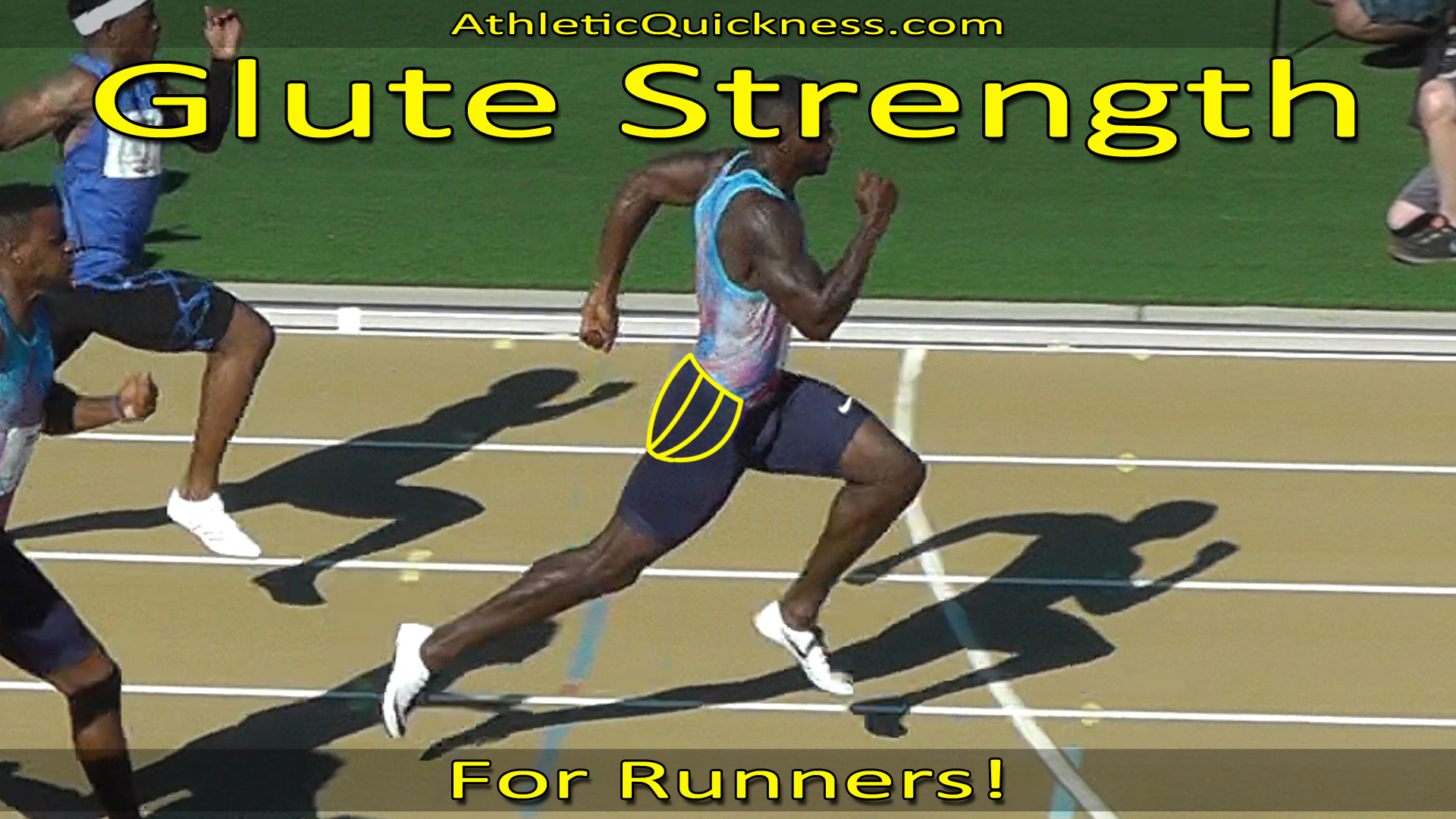
The glutes are part of a larger group of muscles known as the hip extensors.
👉 Their primary role in running is to:
- drive the leg backward
- generate force against the ground
- help propel the body forward
👉 This happens during what’s known as the push phase of running.
👉 To understand how this phase fits into the full running cycle, see:
Push Phase vs Swing Phase in Running
⚡ Why Glute Strength Matters for Speed
Strong glutes allow you to:
- apply more force into the ground
- accelerate more effectively
- maintain power during sprinting
👉 This is especially important during:
- the start of a sprint
- acceleration phases
- explosive movements
👉 Without sufficient strength here, your ability to generate speed is limited.
⚠️ Why Glute Strength Alone Won’t Make You Faster
This is where most athletes go wrong.
👉 They assume:
👉 more strength = more speed
👉 But running speed is not just about how hard you push…
👉 it’s about how fast your entire system moves.
If your training only improves:
- force production
👉 but not:
- coordination
- timing
- leg recovery speed
👉 then your speed will plateau.
👉 To understand why strength alone doesn’t translate into speed, see:
Why Strength Alone Won’t Make You Faster
🔄 The Missing Link: The Other Half of the Movement
The glutes dominate the push phase of running.
👉 But that’s only half of the movement.
👉 The other half—bringing the leg forward quickly—is driven by the hip flexors.
👉 If that part of the system is underdeveloped:
- your stride rate slows down
- your movement becomes inefficient
- your speed is capped
👉 To see how this works, read:
Hip Flexors for Running Speed
🧩 Why the Glutes Must Work as Part of a System
The glutes don’t work alone.
👉 They are part of a coordinated system involving:
- hip flexors
- core
- upper body
- opposite leg
👉 When this system is synchronized:
- force is transferred efficiently
- movement becomes smoother
- speed increases naturally
👉 When it’s not:
- energy is wasted
- timing breaks down
- performance suffers
🏋️♂️ Why Traditional Glute Training Falls Short
Exercises like:
- squats
- deadlifts
- lunges
👉 are excellent for building strength.
👉 But they don’t train:
- speed of contraction
- coordination
- real running movement patterns
👉 Which is why athletes can get stronger…
👉 without getting faster.
🚀 How to Train Glutes for Running Speed
To improve speed, your training must go beyond strength.
👉 You need to develop:
- fast muscle contractions
- coordination with the rest of the body
- efficient movement patterns
👉 This is where isometric training with resistance bands becomes highly effective.
👉 It allows you to train:
- force production
- speed of contraction
- coordination
👉 To learn how to apply this method, see:
Isometric Training for Speed
🏁 Conclusion
Glute muscles are essential for running speed—but they are only one part of the equation.
👉 Strength helps you push.
👉 But speed comes from how your entire system works together.
👉 Train your glutes the right way…
👉 and combine that with coordination and proper mechanics…
👉 and your speed will follow.
❓ Frequently Asked Questions
Do stronger glutes make you run faster?
Stronger glutes help improve force production, but speed also depends on coordination and how quickly your legs move.
What do glutes do in sprinting?
Glutes drive the push phase of running, helping propel the body forward and generate power.
Why am I not getting faster even with strong glutes?
Because speed requires more than strength—it depends on coordination, timing, and stride rate.
Are squats enough to improve running speed?
No, squats build strength but do not train the speed and coordination needed for faster running.
How should I train glutes for speed?
Training should include coordination, speed of contraction, and movement-specific exercises—not just strength work.