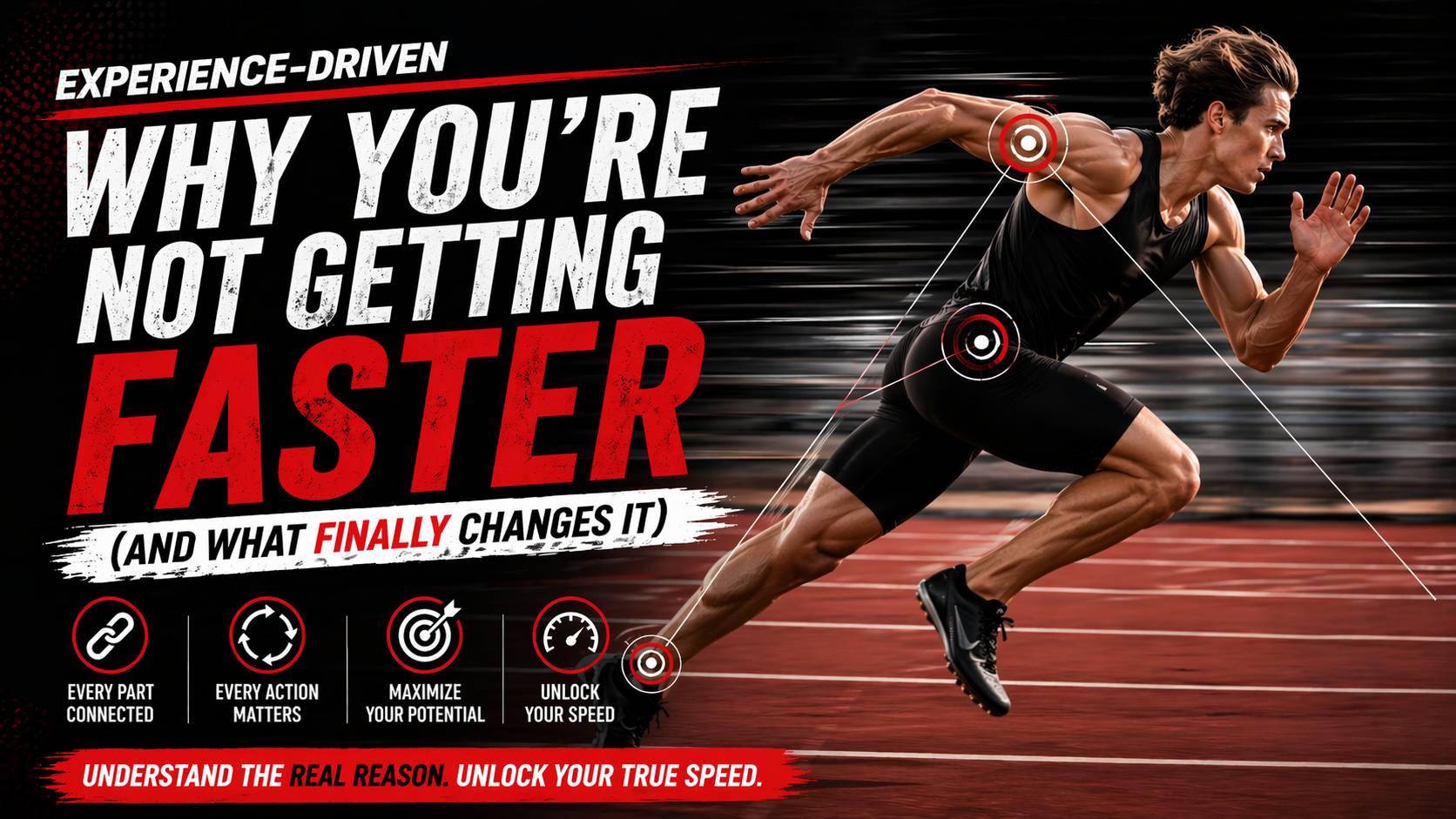
Not getting faster even though you train hard? Learn what most speed programs miss—and what actually helps you improve.

🚀 Introduction
Want to know how to run faster—and finally see real results?
Most athletes are told to:
get stronger
train harder
push more
👉 And while those things matter…
💥 they’re not the full answer
👉 Because speed is not just about effort
👉 it’s about how your entire body works together
💥 Speed Is a System—Not Just Strength
If you’re not getting faster, it’s usually not because you’re not working hard enough
👉 It’s because your system is not working efficiently
Running speed depends on:
force production
coordination
timing
movement efficiency
💥 And if one part is underdeveloped…
👉 your speed is limited
⚖️ The Real Problem: Strength Imbalance
Most athletes don’t lack strength
👉 they have a strength imbalance
They develop:
strong push-phase muscles (glutes, hamstrings, quads)
👉 but undertrain:
hip flexors
coordination
timing
👉 This creates imbalance
👉 and imbalance limits performance
💥 Your speed is limited by your weakest link
🔑 The Goal: Balance at the Highest Level
Running faster is not about eliminating strength
👉 it’s about developing your system
👉 so every part can operate:
👉 in balance at the highest level possible
👉 That’s when strength turns into real speed
📚 What You’ll Learn
Inside this guide, you’ll learn:
how to increase stride rate without over-training
what muscles actually control running speed
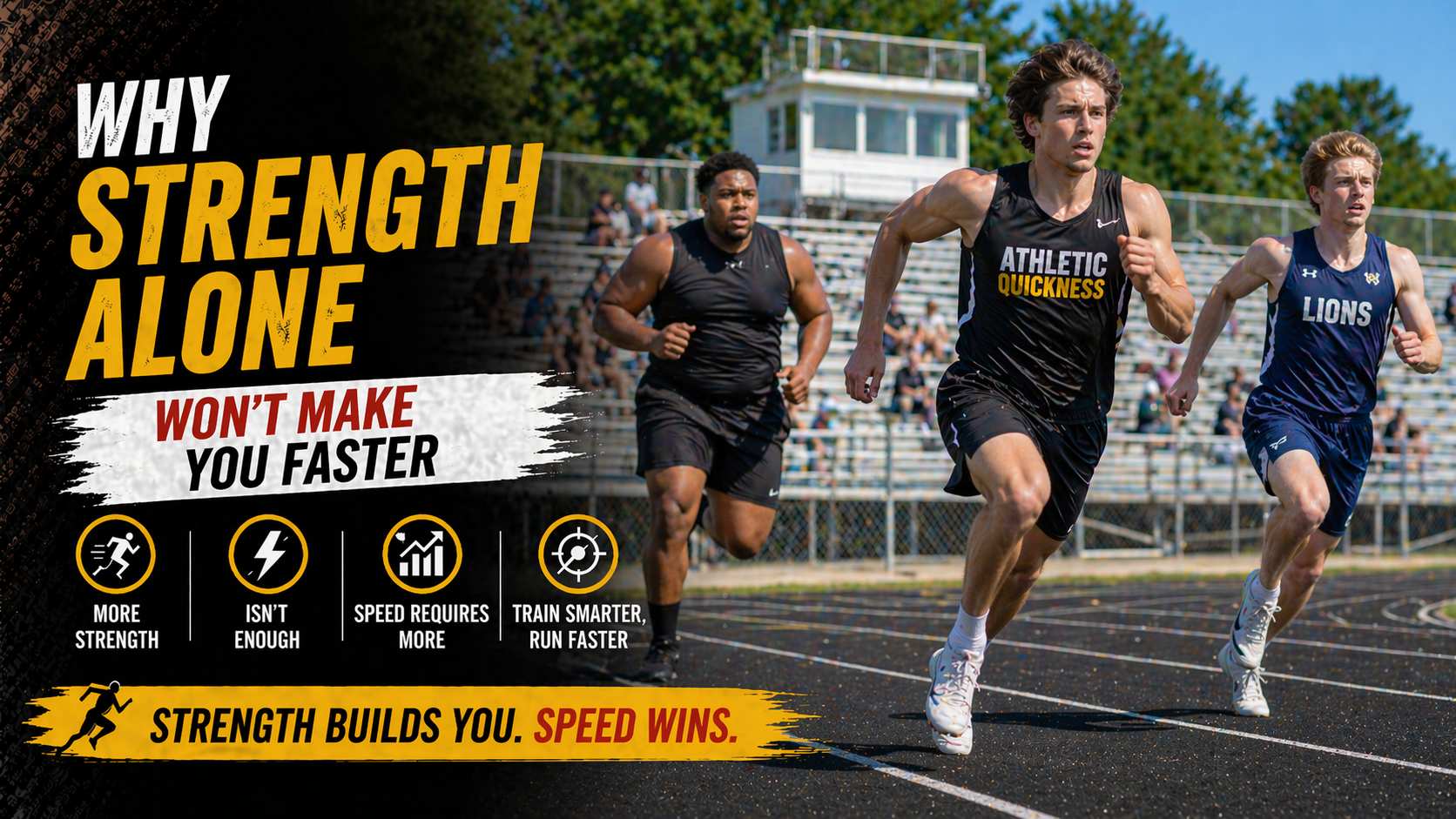
why strength alone doesn’t make you faster
how coordination impacts performance
how to combine training methods correctly
what actually works (and what doesn’t)
🧩 How to Run Faster: Complete Article Guide
To fully understand and apply this system, explore the articles below:
🏃 Foundations of Speed
How to Run Faster: The Complete Guide (Start Here)
Why Strength Alone Won’t Make You Faster
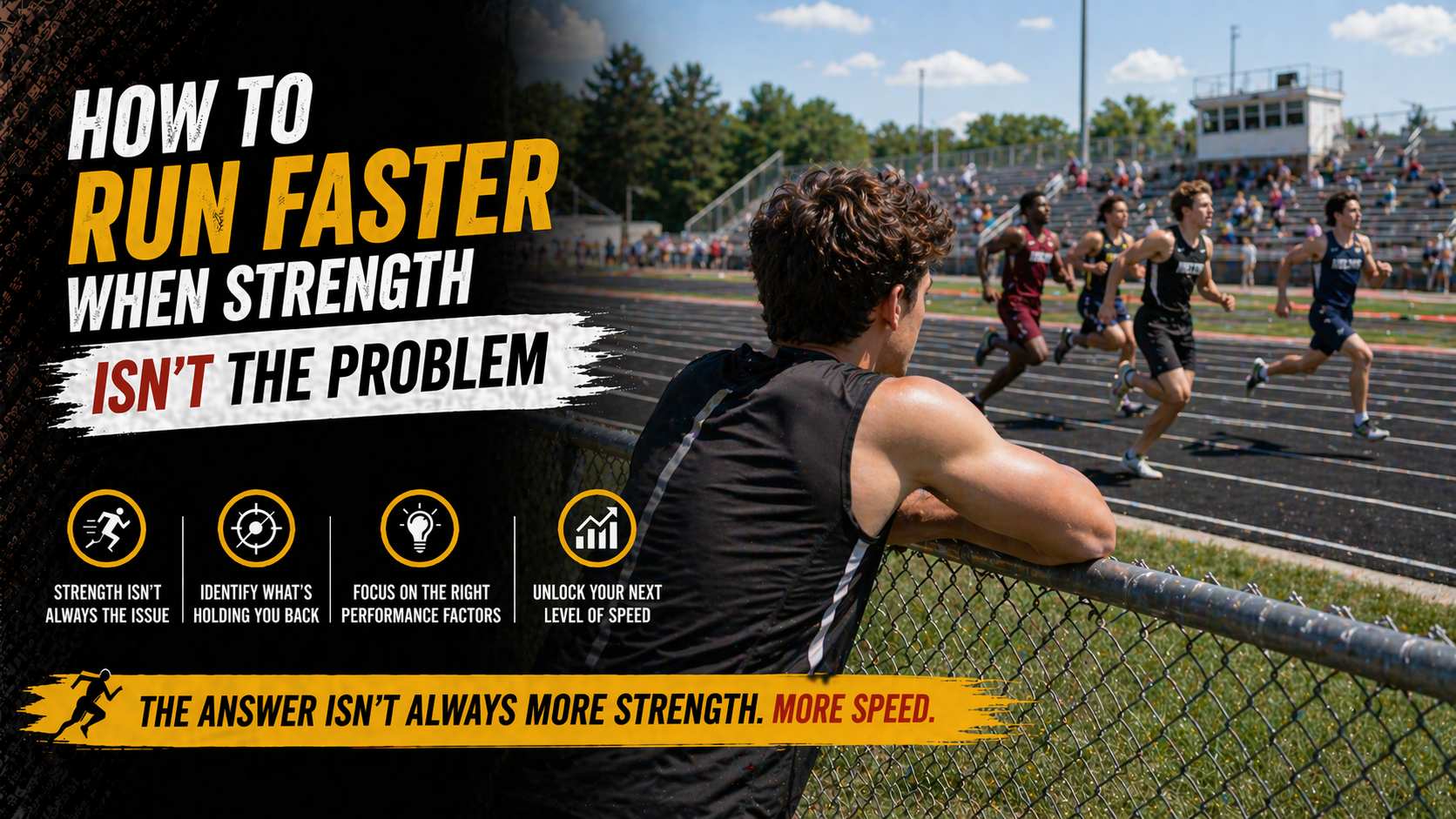
How to Run Faster Without Relying on Strength Alone
⚙️ Mechanics and Movement
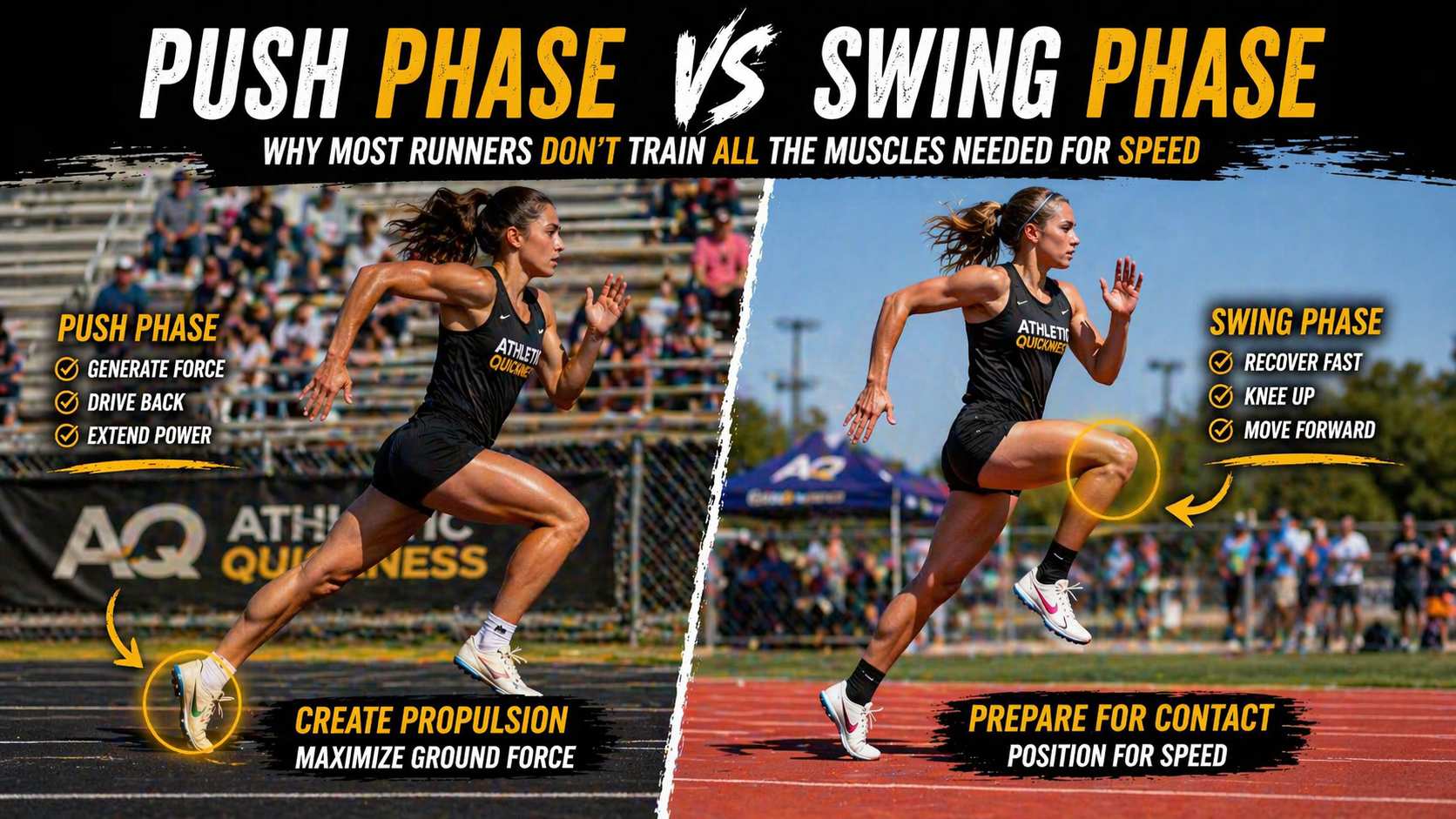
Push Phase vs Swing Phase: Why Most Runners Miss the Full System
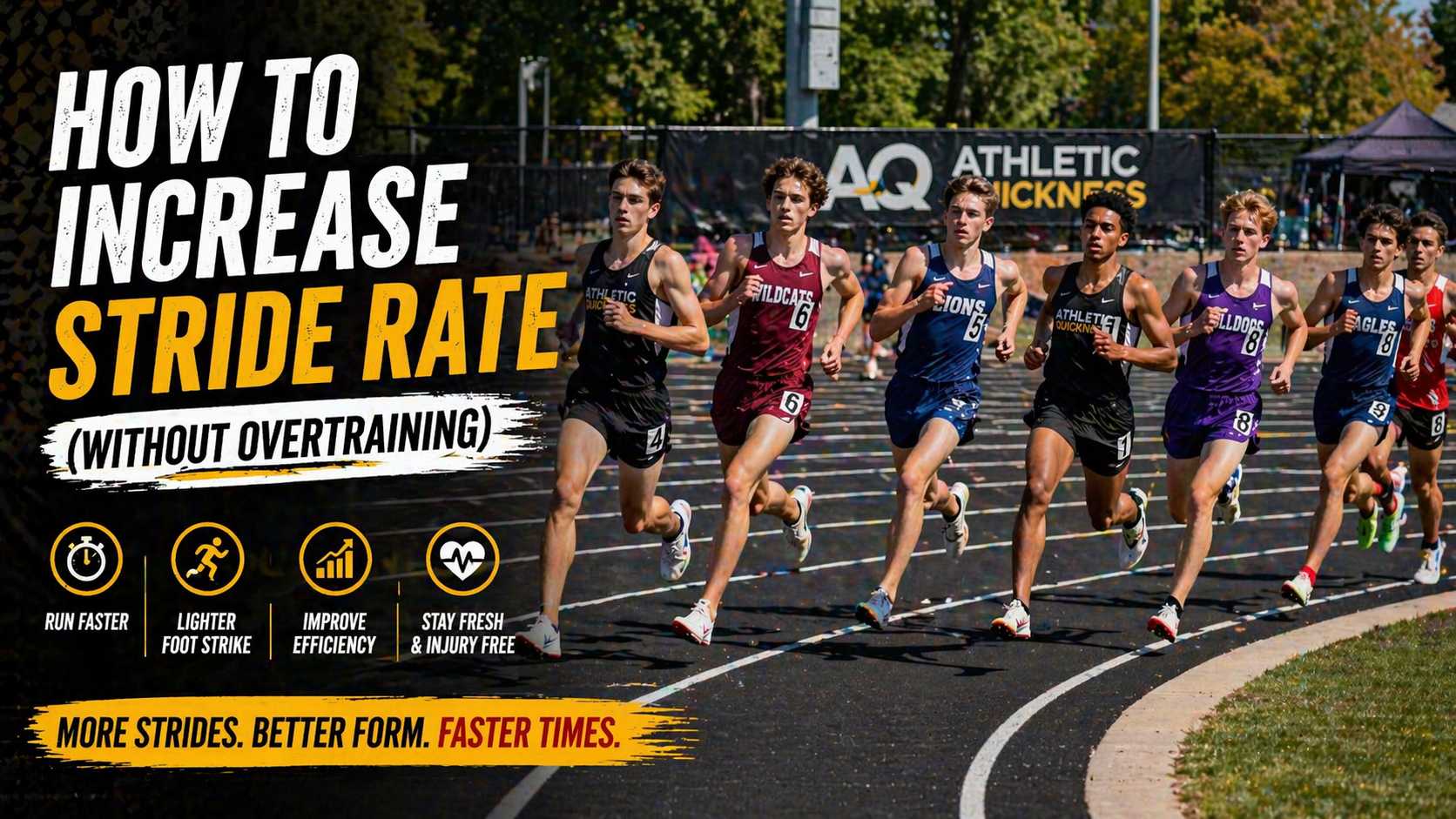
How to Increase Stride Rate (Without Overtraining)
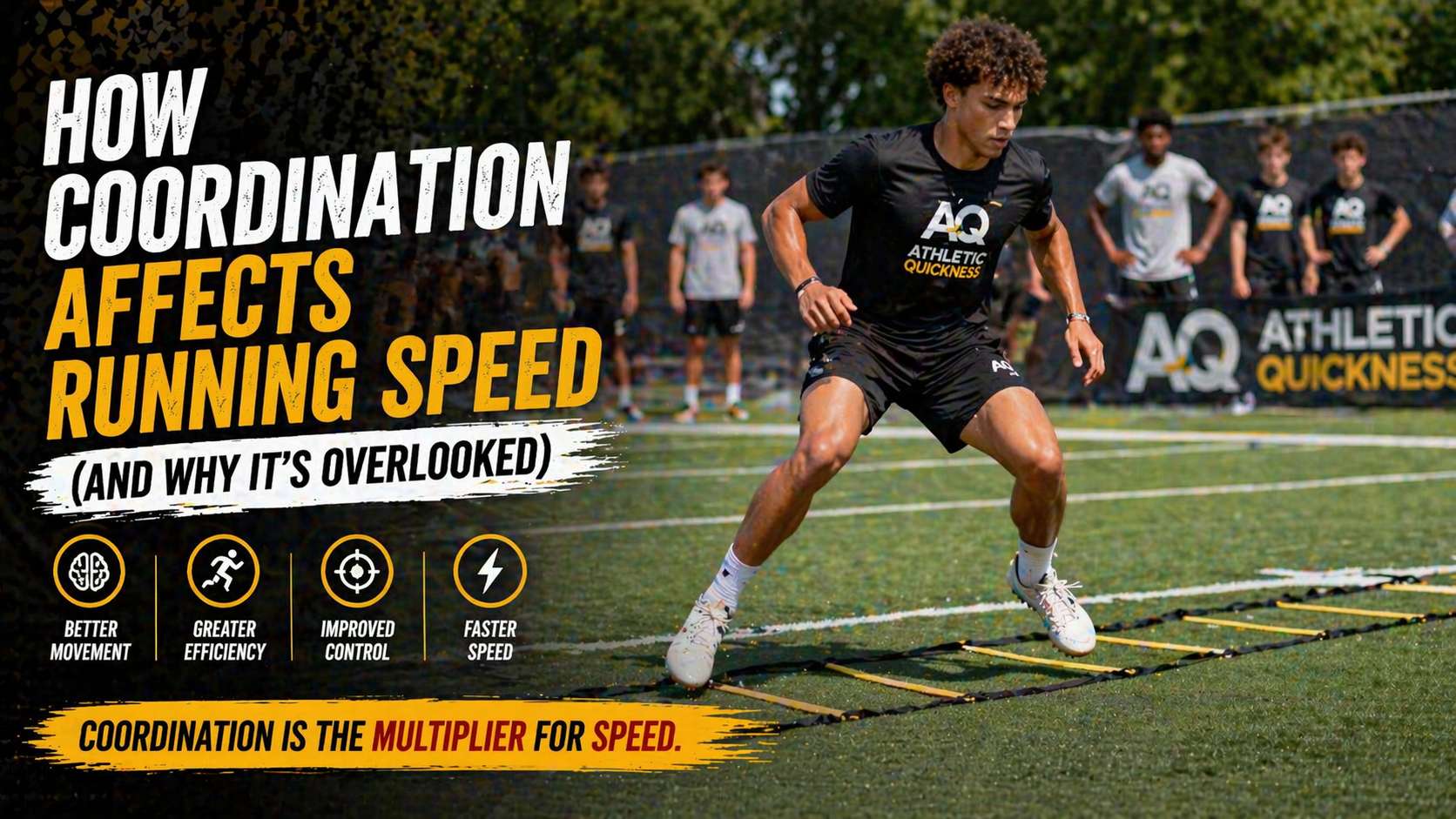
How Coordination Affects Running Speed (And Why It’s Overlooked)
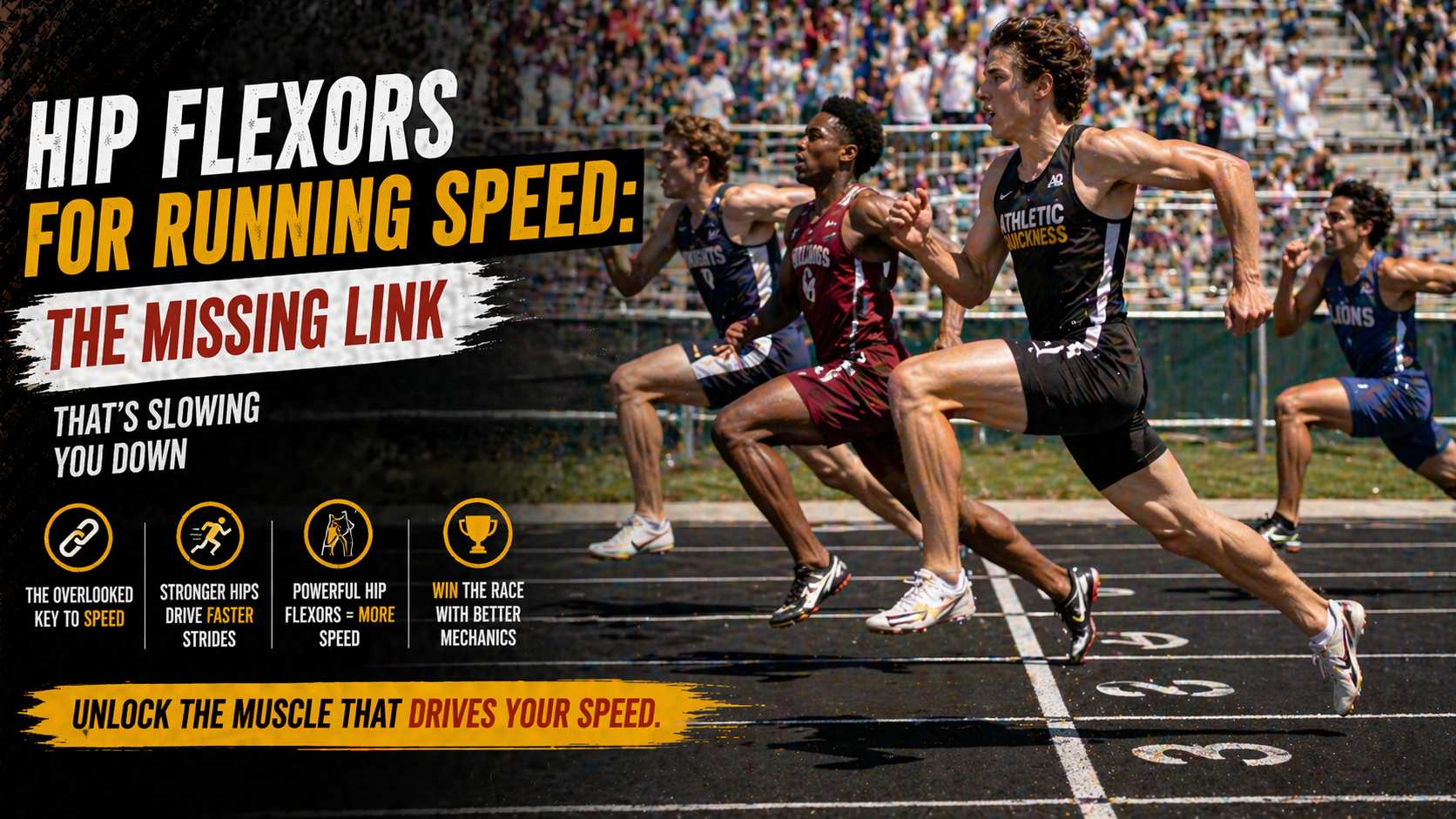
Hip Flexors for Running Speed: The Missing Link That’s Slowing You Down (Critical Missing Piece)
🧠 Training and Performance
Why Most Speed Training Programs Don’t Work
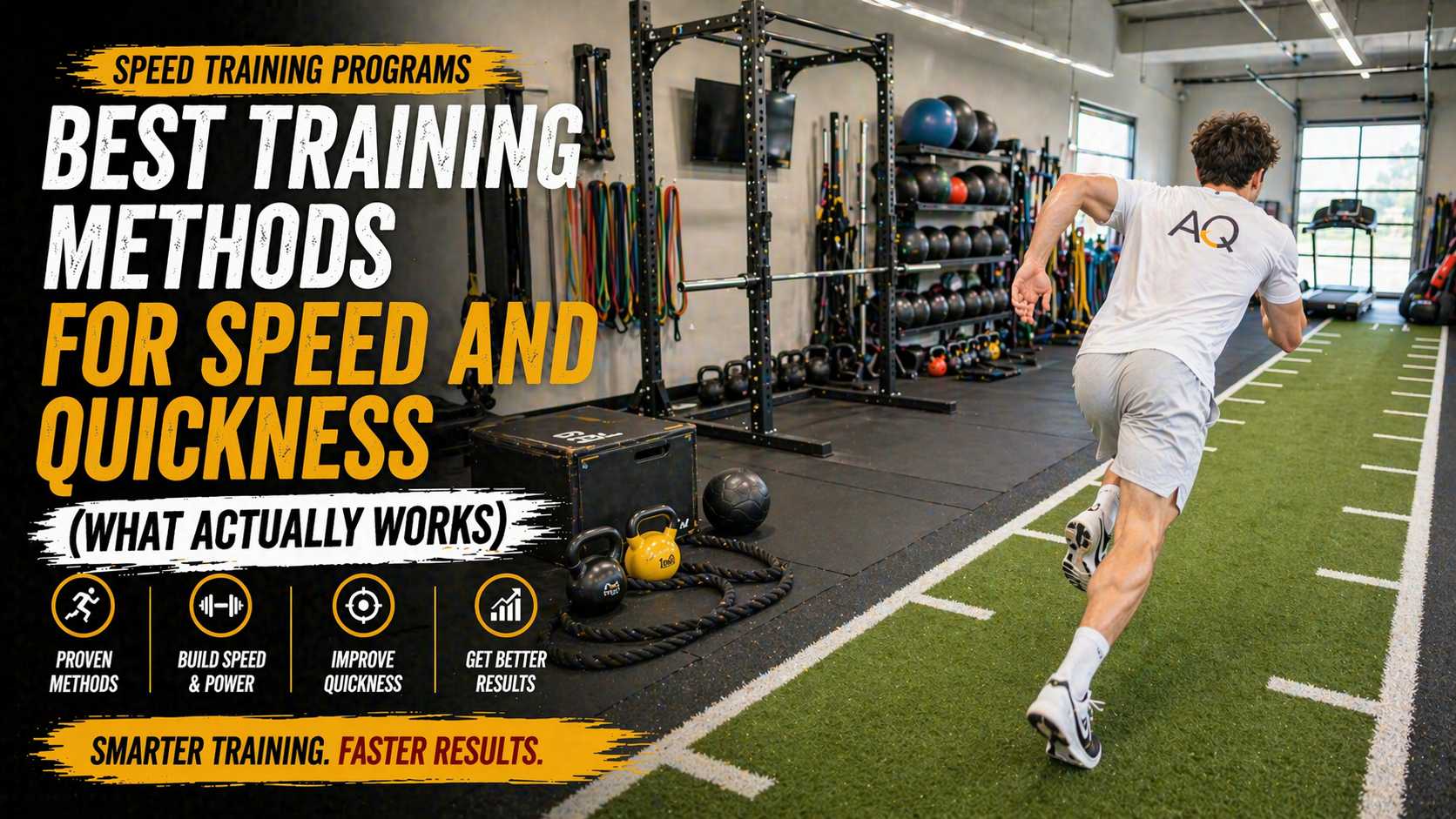
Best Training Methods for Speed and Quickness (What Actually Works)
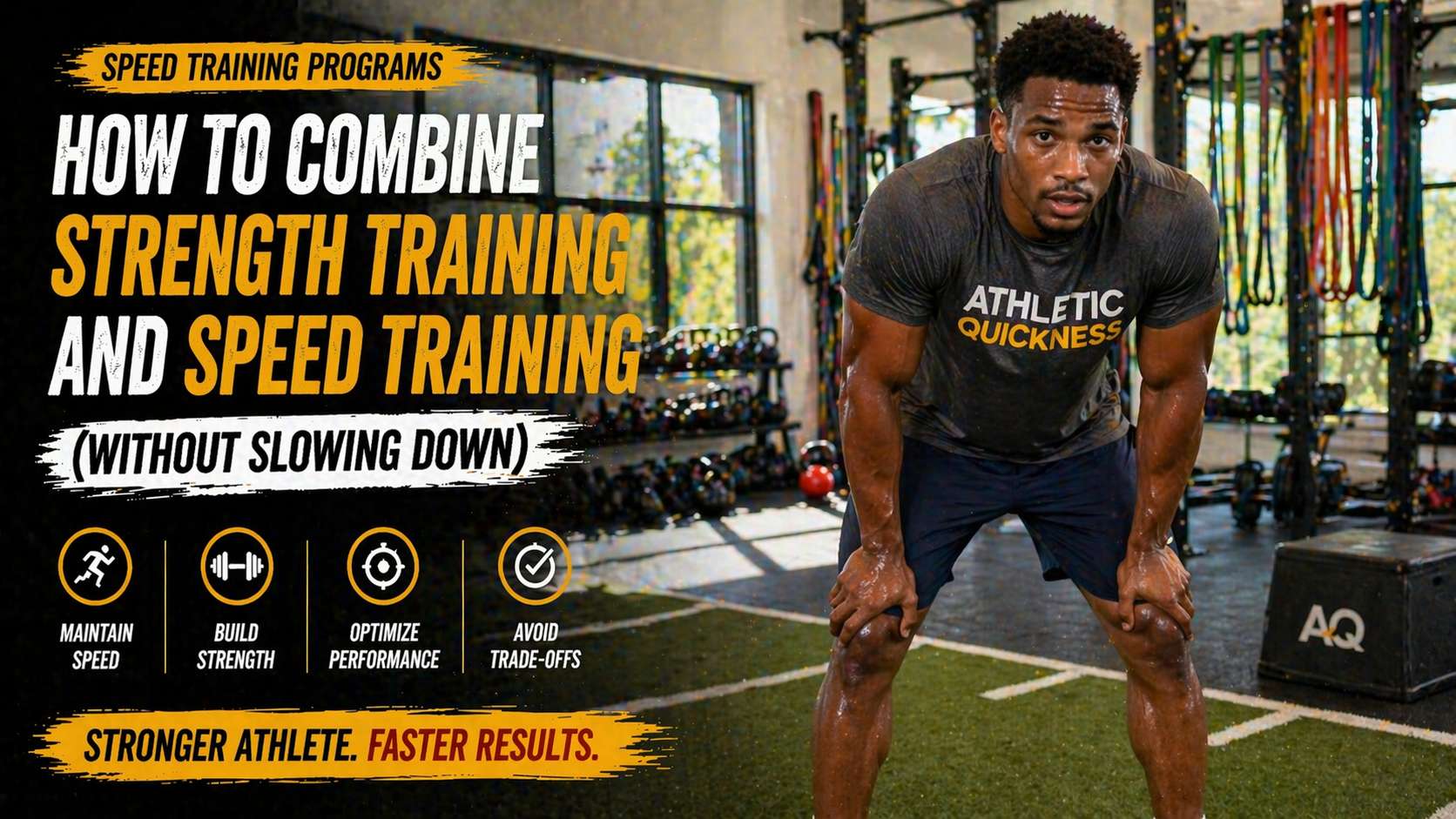
How to Combine Strength Training and Speed Training (Without Slowing Down)
⚡ Real-World Performance
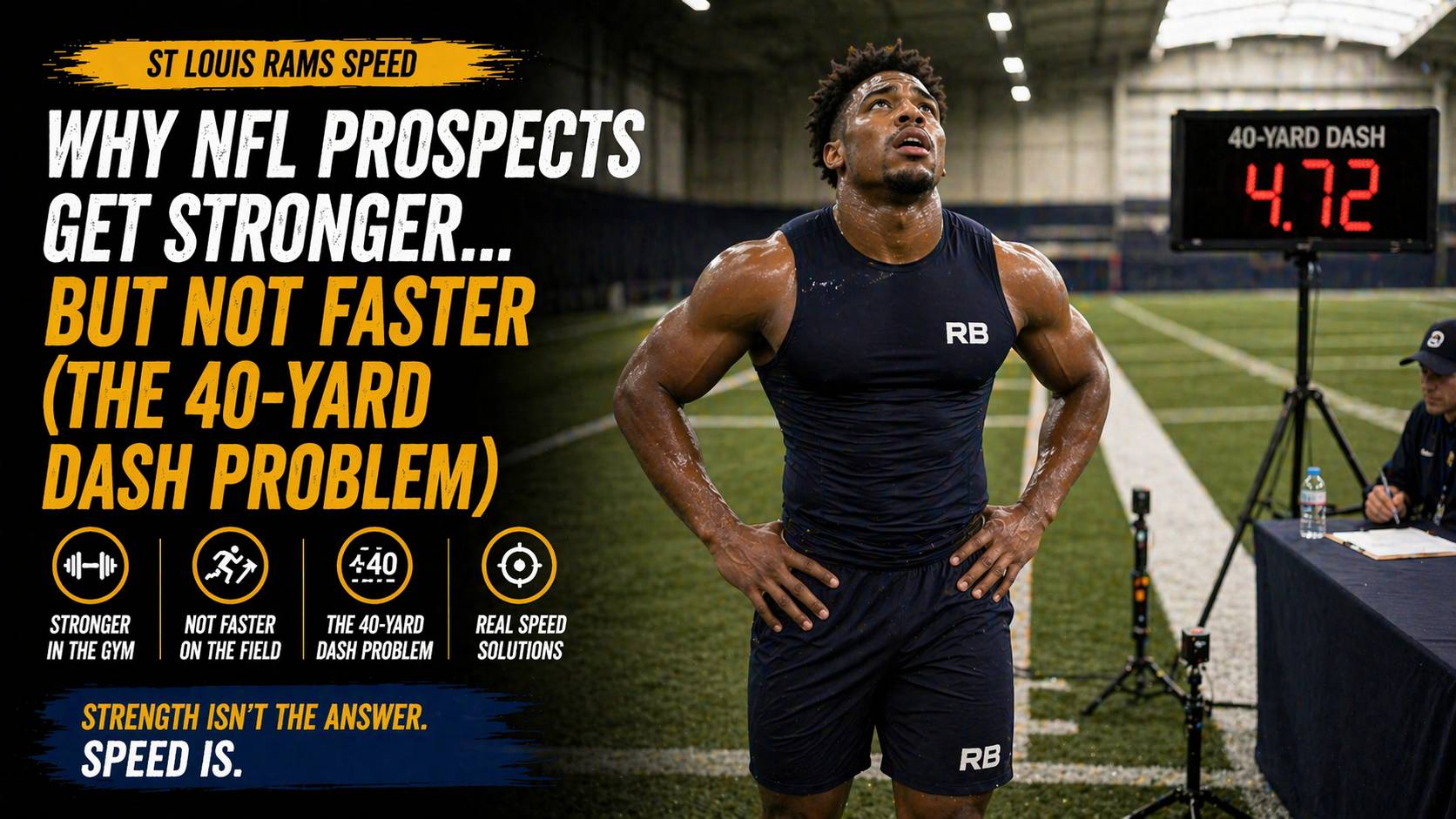
Why NFL Prospects Get Stronger… But Not Faster
Can You Start Speed Training Mid-Season? (And Still Improve Fast)
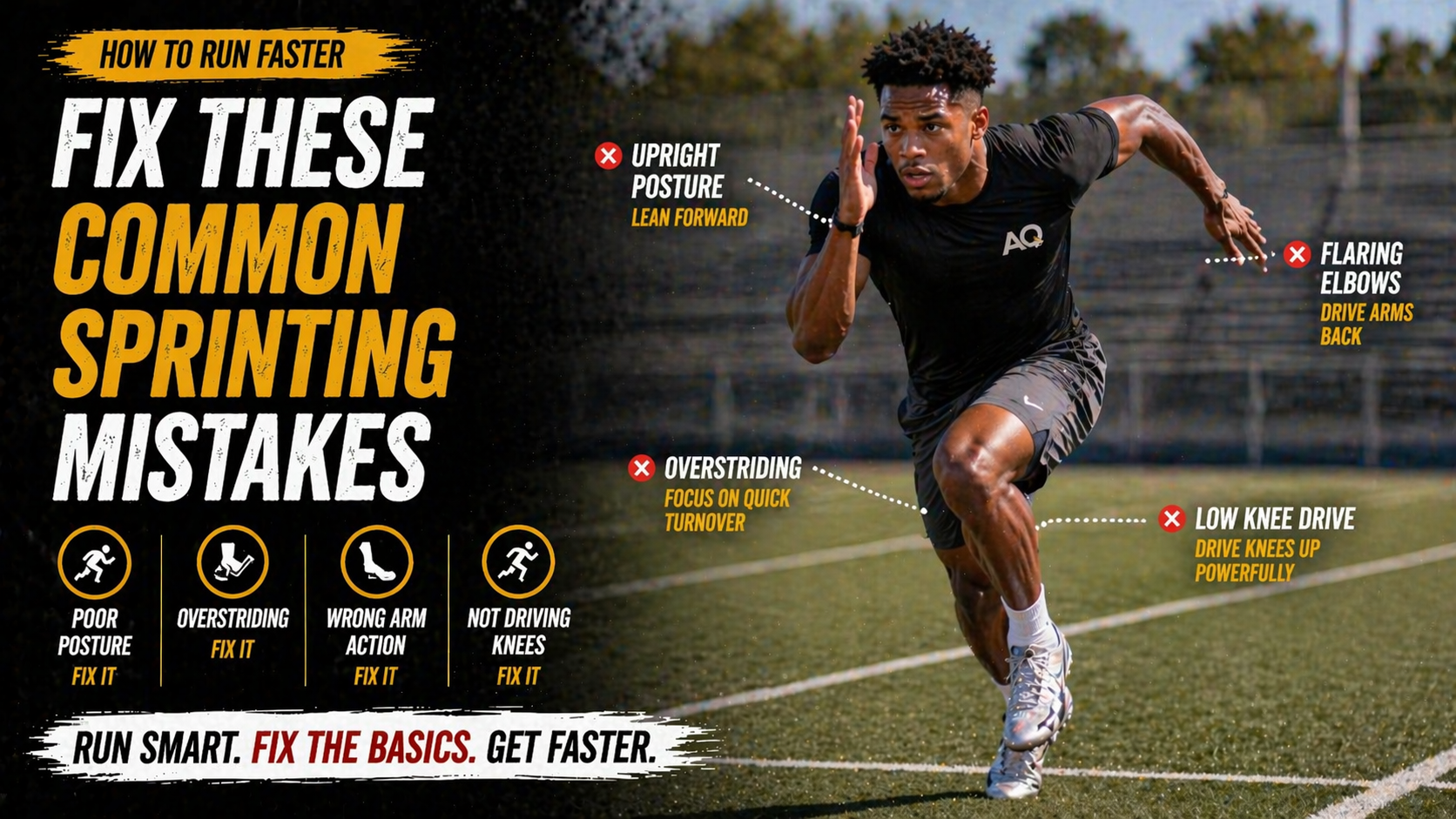
How to Run Faster: Fix These Common Sprinting Mistakes (Fix These First)
🔥 Start Here
👉 If you’re new to this system, start with:
➡️ How to Run Faster: The Complete Guide to Increasing Speed, Power, and Performance
🚀 Ready to Apply This System?
If you’re serious about improving your speed…
👉 don’t just train harder
👉 train smarter
💥 Learn how to apply this system step-by-step:
👉 [See the Speed Training System →]
❓ Frequently Asked Questions
How can I run faster?
Running faster requires improving coordination, timing, and system balance—not just strength.
What muscles make you run faster?
Multiple muscle groups contribute, including the glutes, hamstrings, quadriceps, calves, and hip flexors—but they must work together as a system.
Does strength training make you faster?
Strength helps, but speed depends on how well your body applies that strength through coordination and timing.
How long does it take to get faster?
Some improvements can happen quickly when coordination and efficiency improve, while others take consistent training over time.
What is the most important factor for speed?
System balance—how well your muscles, timing, and coordination work together.
🔥 Final Thought
Most athletes train harder
👉 but not more completely
👉 They build strength
👉 but don’t train how to use it
💥 Real speed comes from:
👉 how well your system works together

Not getting faster even though you train hard? Learn what most speed programs miss—and what actually helps you improve.

Want to know how to run faster and finally see real results? This guide breaks down the system behind speed, explaining why strength alone isn’t enough and how improving strength balance, timing, and coordination across your entire body leads to faster, more efficient running.

Getting stronger doesn’t guarantee you’ll run faster. This article explains why strength alone isn’t enough—and how balance, coordination, and system efficiency determine whether your strength actually turns into speed.

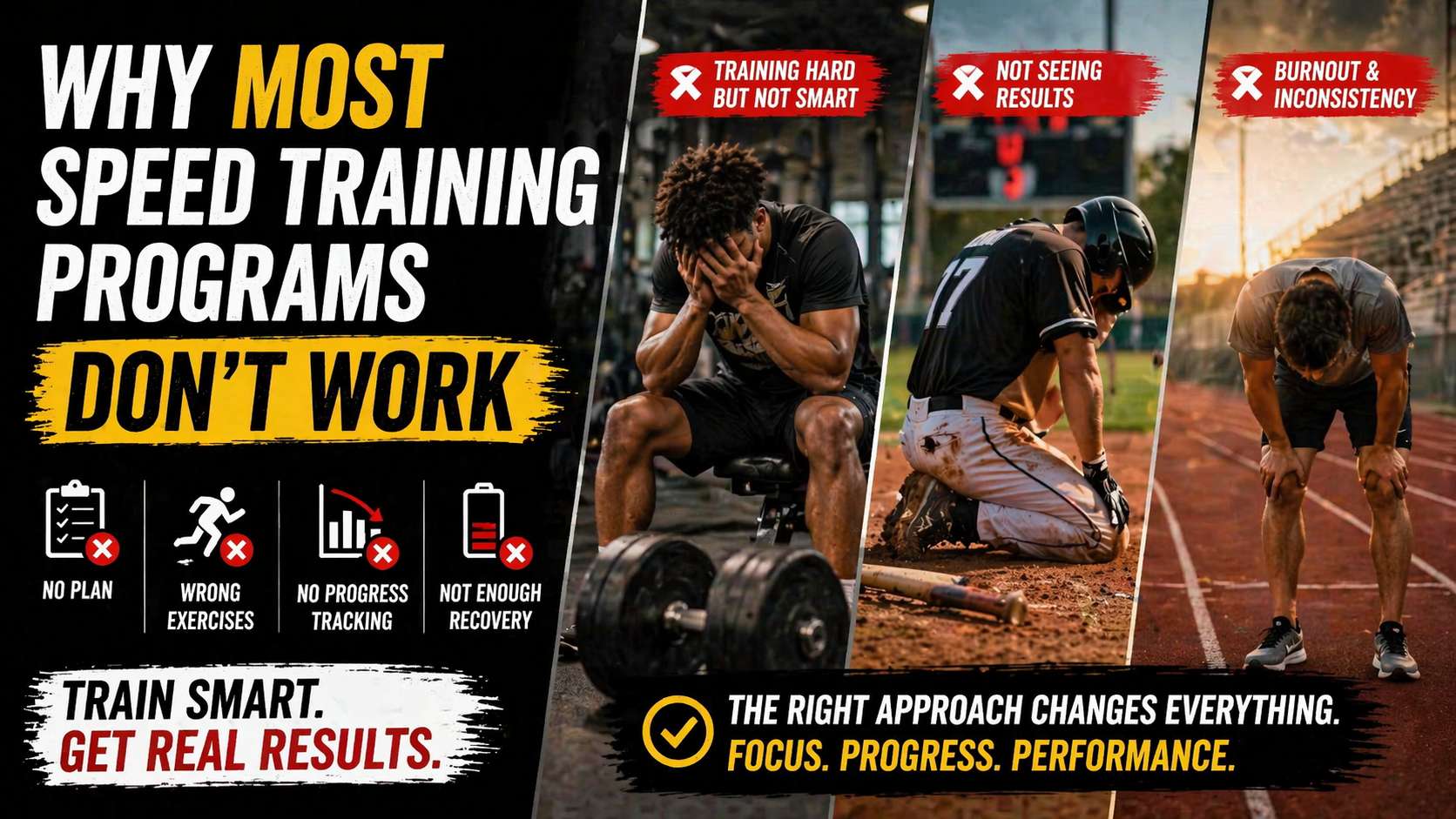
Most speed training programs focus on strength and repetition—but still fail to improve real speed. This article explains why and reveals what’s missing: coordination, timing, and full-system development.

🧠 Introduction If you’ve been trying to get faster for a while… 👉 you’ve probably done everything you were told to do: • lifted weights• ran sprints• trained harder• pushed yourself 👉 And maybe you got stronger 👉 But your speed? 👉 didn’t change much 💥 Or maybe it stopped improving altogether 👉 If this […]

Getting stronger doesn’t always make you faster. This article explains how coordination, balance, and system efficiency determine whether your strength actually translates into running speed.

Most athletes focus on pushing harder—but speed is often limited by how fast your legs can cycle. This article explains why hip flexors are the missing link in running speed and how improving their function can unlock faster, more efficient movement.

Most runners focus on the push phase, but speed depends on how fast your entire system can cycle. This article explains the difference between push and swing phases—and why neglecting the swing phase limits how fast you can run.

Increasing stride rate isn’t about running more or pushing harder. This article explains how hip flexors, coordination, and system balance determine how quickly your legs can cycle—and how to improve it without overtraining.

Coordination plays a critical role in running speed, yet most athletes overlook it. This article explains how timing, rhythm, and full-body coordination determine whether strength actually translates into faster running.

Not all speed training methods work the same way. This article explains how weight training, drills, and plyometrics fit into a complete system—and why combining them is the key to real speed.

Discover how to combine strength and speed training correctly so you can build power without sacrificing speed or performance.

Many NFL prospects get stronger before the Combine—but don’t run faster. This article explains why strength alone doesn’t improve speed and how imbalance in the system limits performance.

Can you improve speed mid-season without hurting performance? This article explains how targeted speed training can increase coordination, timing, and efficiency—without overtraining.

Most sprinting mistakes aren’t random—they’re signs your system is out of balance. This article breaks down the most common errors that slow you down and explains how improving coordination, timing, and full-body mechanics can help you run faster.