
Home » Running Muscles for Speed » Hamstring Muscles for Running Speed: Power, Timing, and Injury Prevention
Introduction
Hamstring muscles for running speed play a critical role in both generating power and controlling movement during sprinting.
Most athletes know the hamstrings are important…
👉 but many don’t understand how they actually contribute to speed.
👉 And more importantly:
👉 why strong hamstrings alone don’t guarantee faster running.
🧠 What the Hamstrings Actually Do in Running
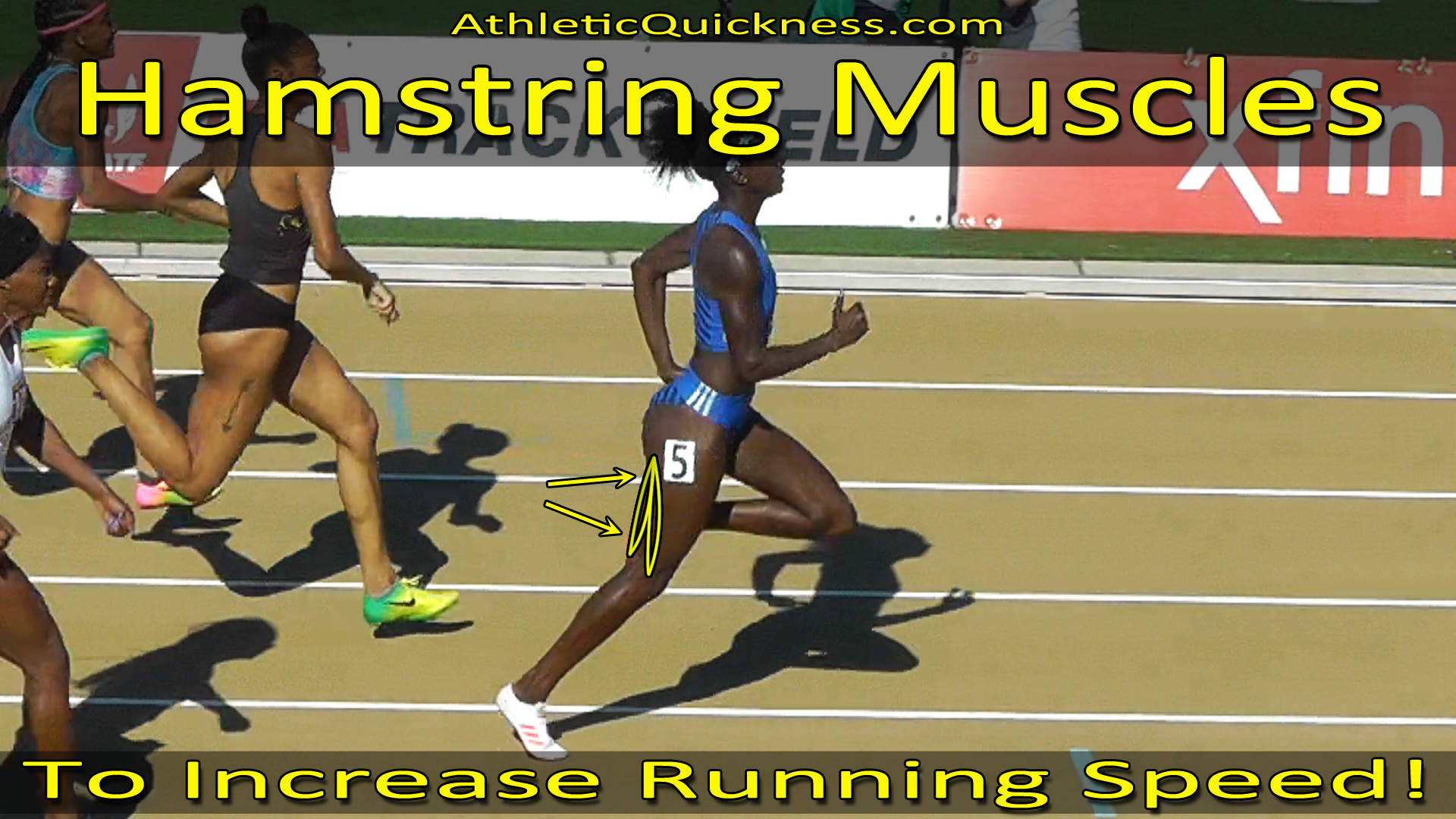
The hamstrings are located on the back of the thigh and work closely with the glutes as part of the hip extensor group.
👉 During running, they have two key roles:
- help drive the leg backward during the push phase
- control the leg as it cycles forward and prepares for the next step
👉 This makes them unique:
👉 they contribute to both power AND control
⚡ How Hamstrings Contribute to Running Speed
When your hamstrings are functioning properly, they help:
- generate force during ground contact
- stabilize the leg during high-speed movement
- maintain efficient stride mechanics
👉 This is especially important during:
- acceleration
- sprinting at high speeds
- rapid changes in direction
👉 Without strong and responsive hamstrings:
- force production drops
- coordination breaks down
- speed decreases
🔄 The Overlooked Role of Timing and Coordination
Most athletes train hamstrings for strength.
👉 But running speed depends just as much on:
- timing
- coordination
- how quickly muscles activate and relax
👉 The hamstrings must:
- contract at the right moment
- relax quickly
- work in sync with other muscles
👉 If this timing is off:
- energy is wasted
- movement becomes inefficient
- injury risk increases
⚠️ Why Hamstring Injuries Are So Common
Hamstrings are one of the most frequently injured muscle groups in athletes.
👉 And it’s not just because they are weak.
👉 It’s often because:
- they are out of sync with the rest of the body
- they are forced to compensate for other weaknesses
- they are overloaded during high-speed movement
👉 In many cases:
❗ the issue is not strength—it’s coordination
🧩 How Hamstrings Fit Into the Speed System
The hamstrings do not work alone.
👉 They are part of a coordinated system involving:
- glutes (force production)
- hip flexors (leg recovery)
- core (stability and control)
👉 When this system works together:
- movement becomes efficient
- force is transferred properly
- speed improves naturally
👉 When it doesn’t:
- muscles compete instead of cooperate
- energy is lost
- performance suffers
🏋️♂️ Why Traditional Hamstring Training Falls Short
Exercises like:
- leg curls
- deadlifts
- machine-based movements
👉 can build strength…
👉 but they don’t train:
- real running movement
- timing and coordination
- speed of contraction
👉 Which is why athletes can have strong hamstrings…
👉 but still struggle to improve speed.
🚀 How to Train Hamstrings for Running Speed
To improve speed, your hamstrings must be trained as part of a system.
👉 This includes:
- coordinated movement patterns
- fast muscle activation
- proper timing with other muscle groups
👉 This is where isometric training with resistance bands becomes highly effective.
👉 It allows you to train:
- strength
- speed of contraction
- coordination
👉 To learn how this method works, see:
Isometric Training for Speed
🏁 Conclusion
Hamstring muscles are essential for running speed—but not just because of their strength.
👉 They must also function with:
- proper timing
- coordination
- system-wide integration
👉 Train them correctly…
👉 and they become a powerful contributor to speed and performance.
❓ Frequently Asked Questions
Do hamstrings help you run faster?
Yes, hamstrings help generate force and control leg movement, both of which are essential for running speed.
Why do hamstrings get injured so often in sprinting?
Hamstring injuries often occur due to poor coordination, timing issues, and imbalances—not just lack of strength.
Are hamstrings more important than glutes for speed?
Both are important. Glutes generate force, while hamstrings help control and stabilize movement during running.
Do hamstring curls improve running speed?
They can build strength, but they do not train the coordination and timing needed for faster running.
How should I train hamstrings for speed?
Focus on coordinated movement, timing, and speed of contraction—not just isolated strength exercises.