
Contact: Support@AthleticQuickness.com

Digital Products: Immediate Access After Order

Guest Checkout Available

Blog

why faster athletes project better

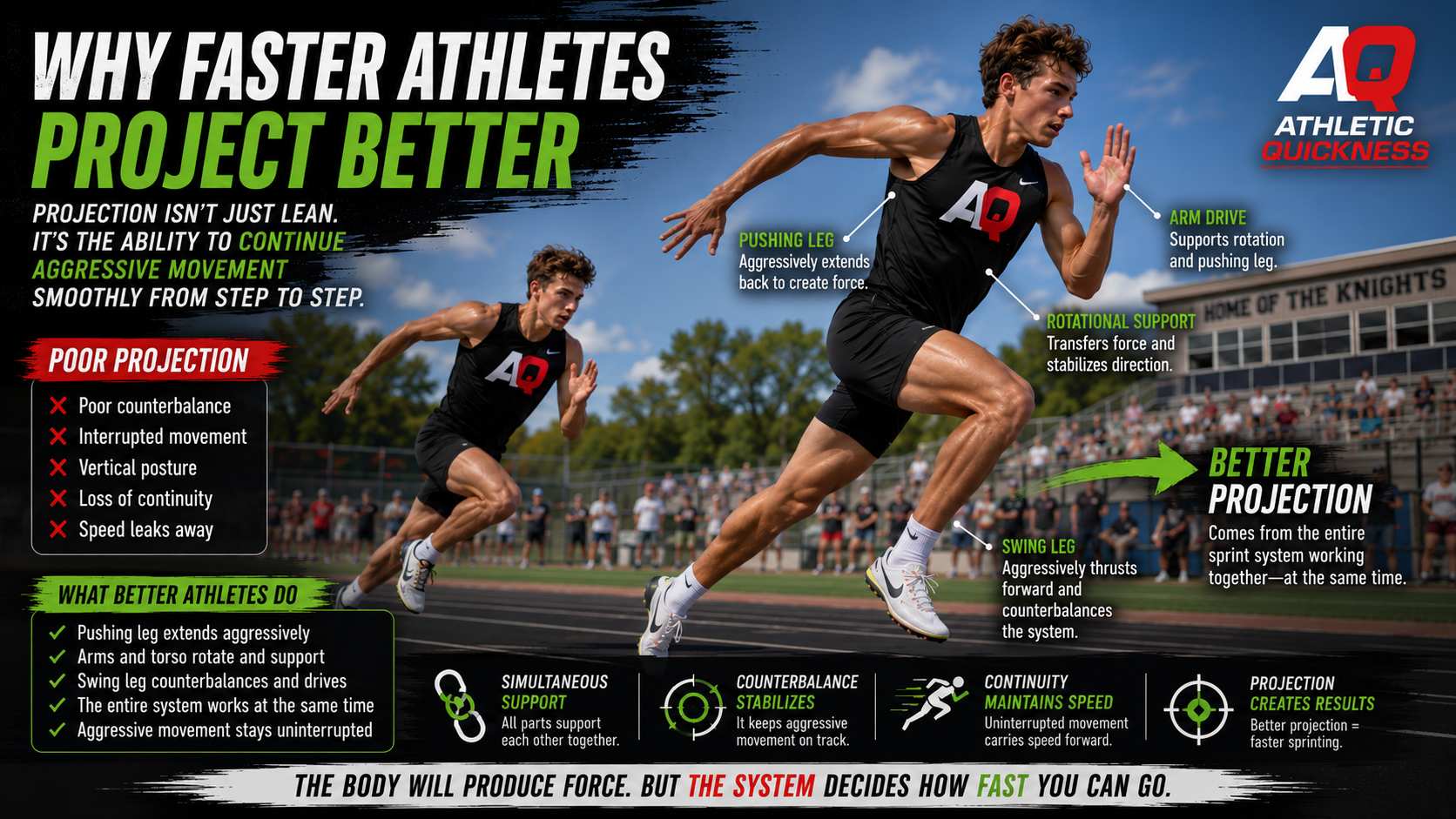
Why Faster Athletes Project Better

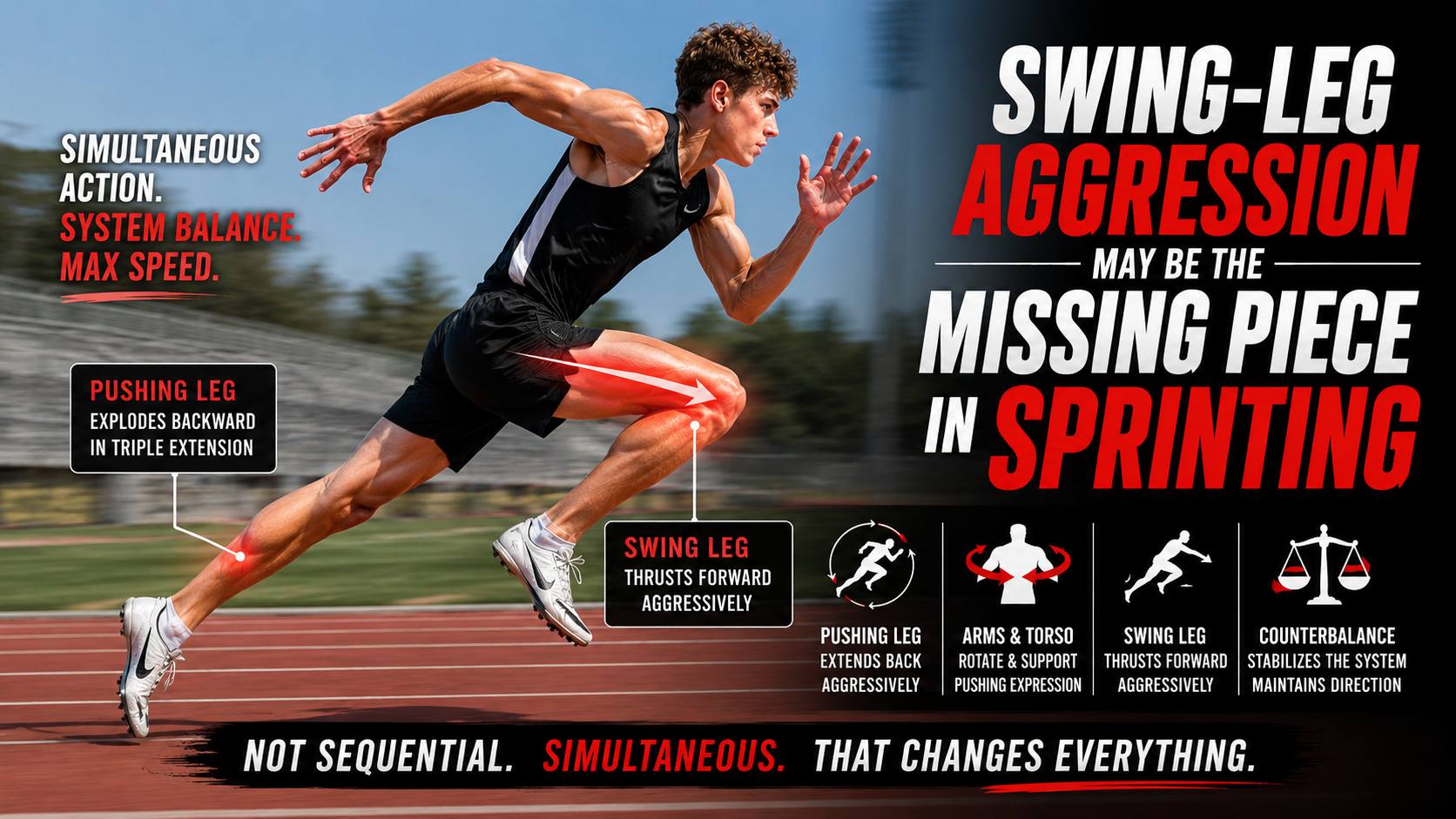
Some athletes seem to glide forward and carry speed smoothly, while others look heavy, vertical, or stuck into the ground. AQ explains why projection depends on the pushing leg, swing leg, arms, and torso simultaneously organizing aggressive movement so projection and movement continuity can continue smoothly from step to step.
still look slow

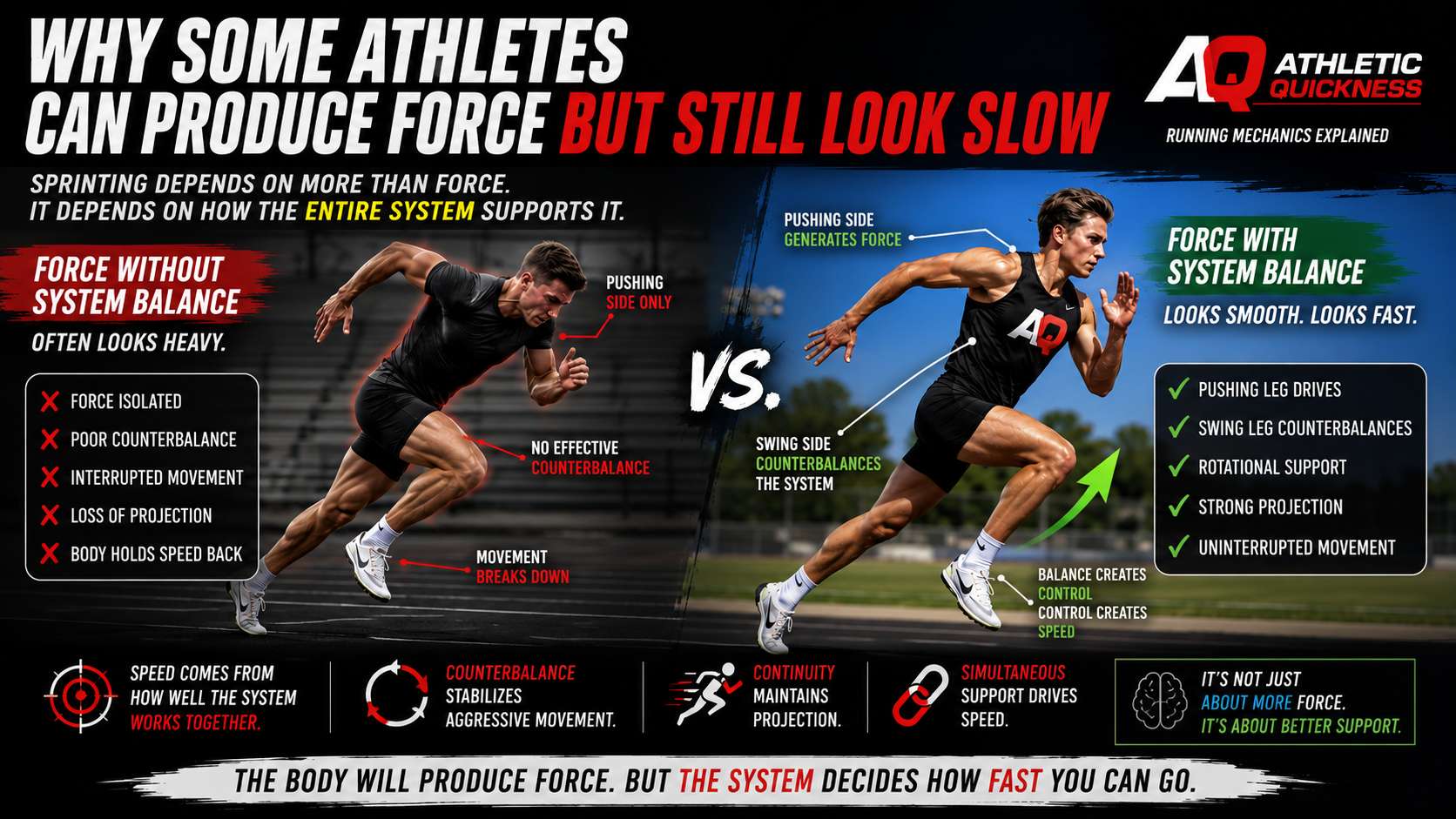
Why Some Athletes Can Produce Force But Still Look Slow

Some athletes become stronger, more explosive, and more powerful but still do not look faster. AQ explains why sprinting depends on more than force production alone, including projection, counterbalance, rotational support, and simultaneous sprint-system organization during aggressive movement.

sprinting depends on counterbalance

Why Sprinting Depends On Counterbalance

Most sprint models focus heavily on force production and the pushing leg. But AQ explains why sprinting also depends on counterbalance, projection, rotational support, and simultaneous aggressive movement organization between the pushing leg, swing leg, arms, and torso.

push and recovery

Why Sprinting Is Not Just Push And Recovery

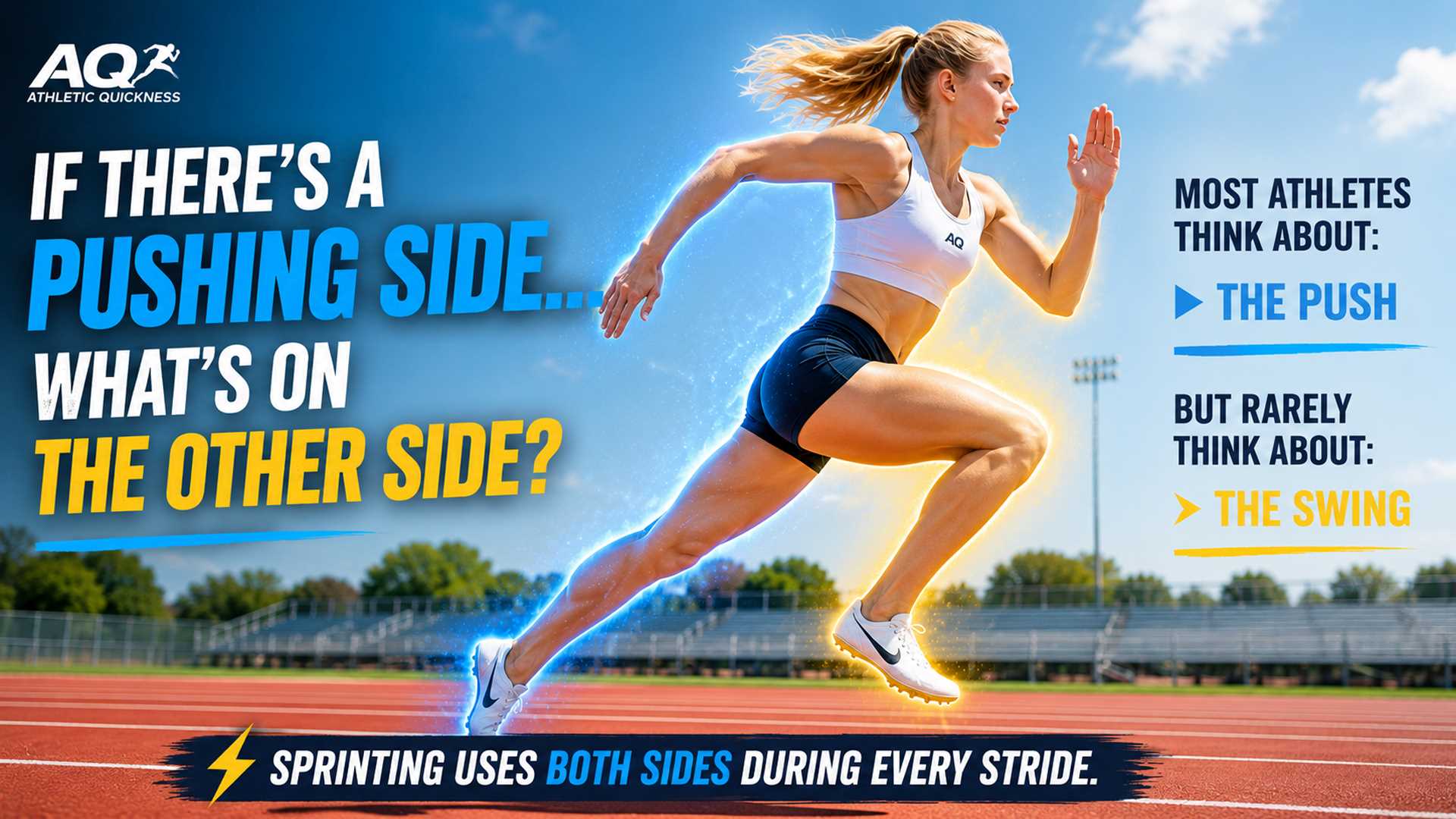
Many sprint explanations describe running as push, recover, and push again. AQ explains why sprinting is better understood as the pushing side, swing side, arms, and torso working together simultaneously during the current stride.

why the body will down regulate speed

Why The Body Will Down-Regulate Speed

Many athletes think speed plateaus happen because they need more strength or effort. AQ explains why the body may reduce aggressive movement expression when balance, support, and directional control can no longer be maintained during sprinting.

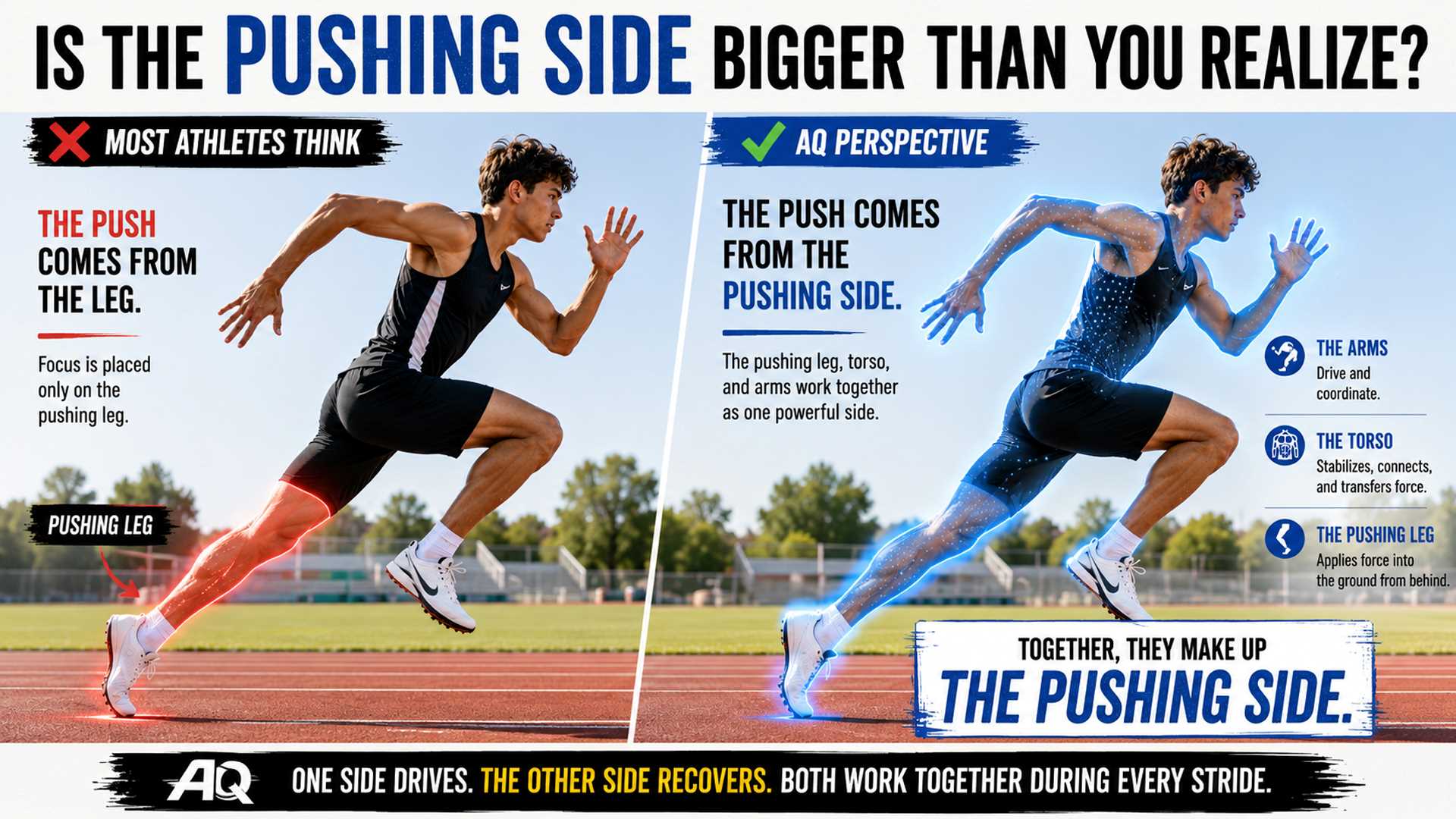
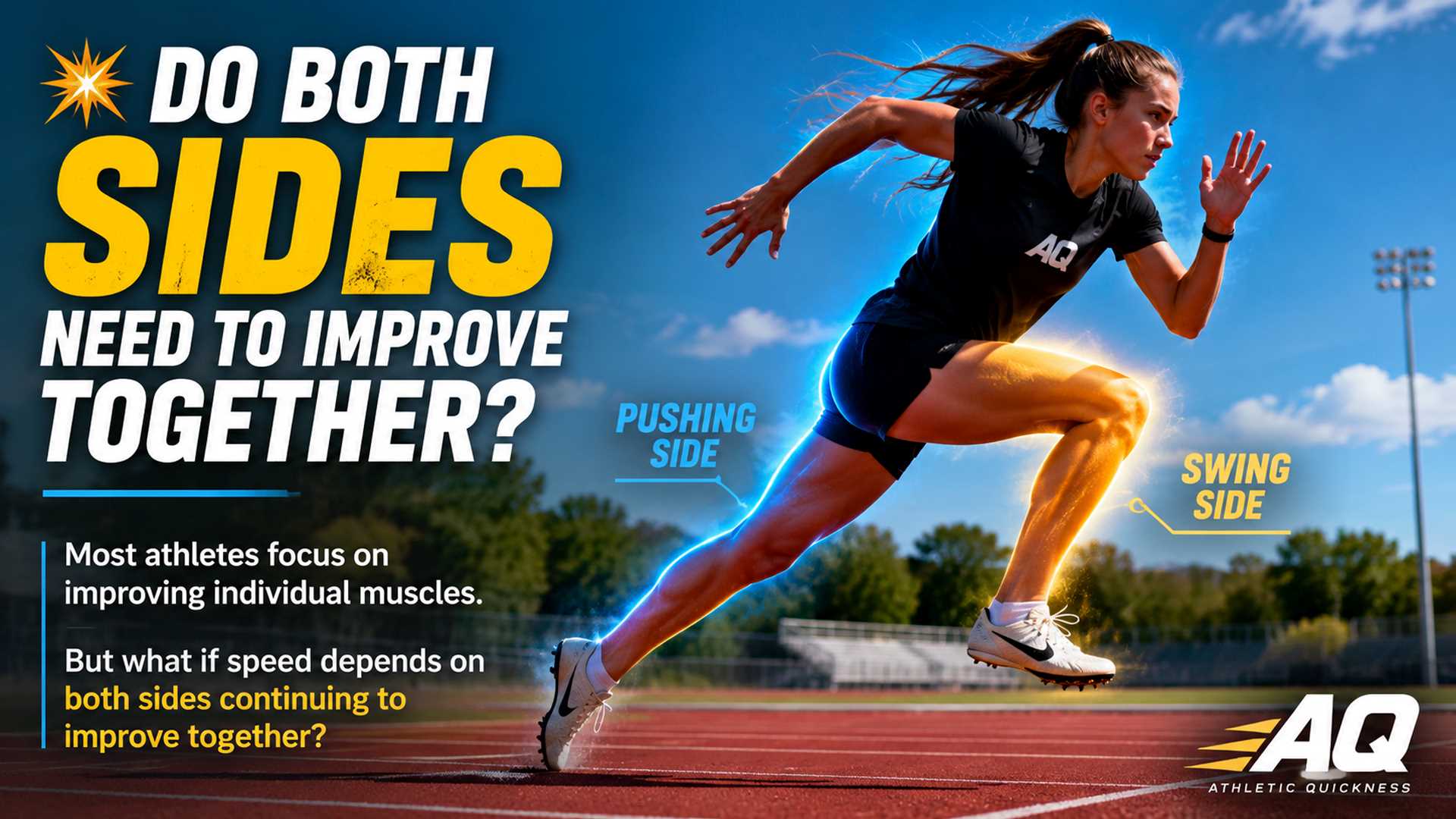
Young high school sprinter shown in a split-screen comparison graphic illustrating the AQ concept of the pushing side. One side shows the common belief that speed comes primarily from the pushing leg, while the other highlights the AQ perspective that the pushing leg, arms, and torso work together as the pushing side during sprinting. Outdoor track, daylight conditions, AQ training graphic.

Is The Pushing Side Bigger Than You Realize?

Most athletes think of the push as a leg action. AQ explores why the pushing side may be much bigger than most athletes realize and why overlooking that relationship could be one more reason you’re not faster.

stabilize body to run faster

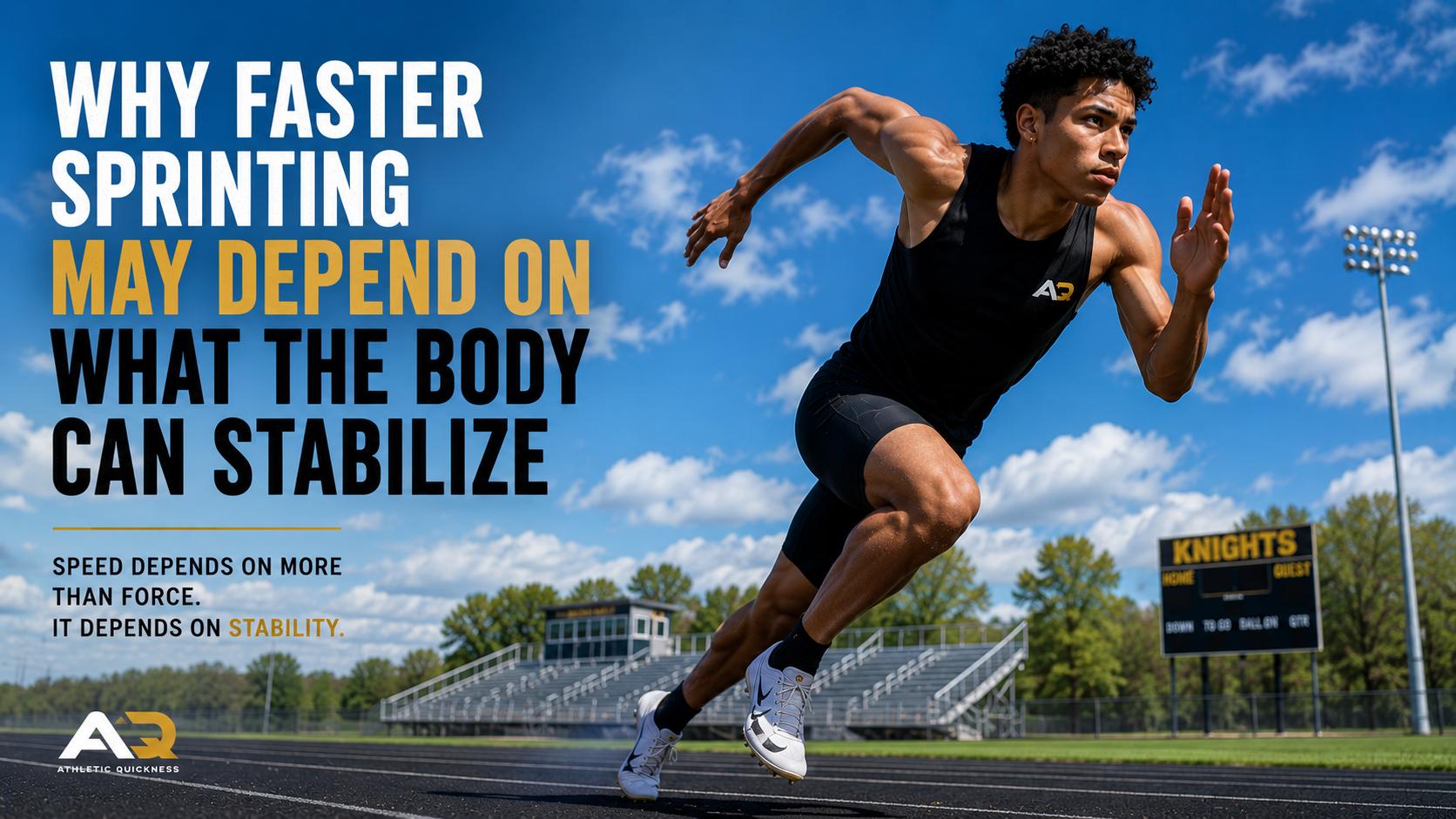
Why Faster Sprinting Depends On Sprint Stability

Many athletes think faster sprinting simply requires more effort. AQ explains why speed may depend on how effectively the sprint system can support, balance, and stabilize aggressive movement between the pushing side and swing side.

sprint system support

Why Faster Sprinting Depends On What The Sprint System Can Support

Many athletes believe sprint speed is limited by effort alone. AQ explains why faster sprinting may depend on how effectively the sprint system can support, balance, and organize aggressive movement between the pushing side and swing side.

why athletes know they are faster

Why Athletes Often KNOW They’re Faster Immediately

Many athletes suddenly feel quicker, lighter, smoother, and more explosive before they fully understand how much their speed has improved. AQ explains why athletes often KNOW they are faster almost immediately once sprint-system organization begins improving during movement and competition.

coordination in running

What Exactly Is Coordination in Running?

Most athletes use words like coordination, rhythm, and smooth mechanics to describe faster sprinting. AQ explains why those feelings may actually reflect deeper sprint-system improvements underneath, including stronger pushing-side contribution, more aggressive swing-side thrust, cleaner contributor timing, and more continuous sprint-system organization during aggressive sprinting. šŸš€šŸ’„

sprinting is not separate movements

Why Sprinting Is Not Separate Movements

Most athletes learn sprinting as push, swing, recover, repeat. AQ explains why sprint mechanics involve multiple contributors working simultaneously throughout the stride and why that changes how speed is understood.

stride frequency in running

Stride Frequency Is Earned, Not Forced

Most athletes think faster stride frequency comes from quicker leg movement. AQ explains why faster turnover may actually depend on the pushing side and swing side continuing to contribute more together, why the body limits cycling speed, and why stride frequency may be earned rather than simply forced. šŸš€šŸ’„

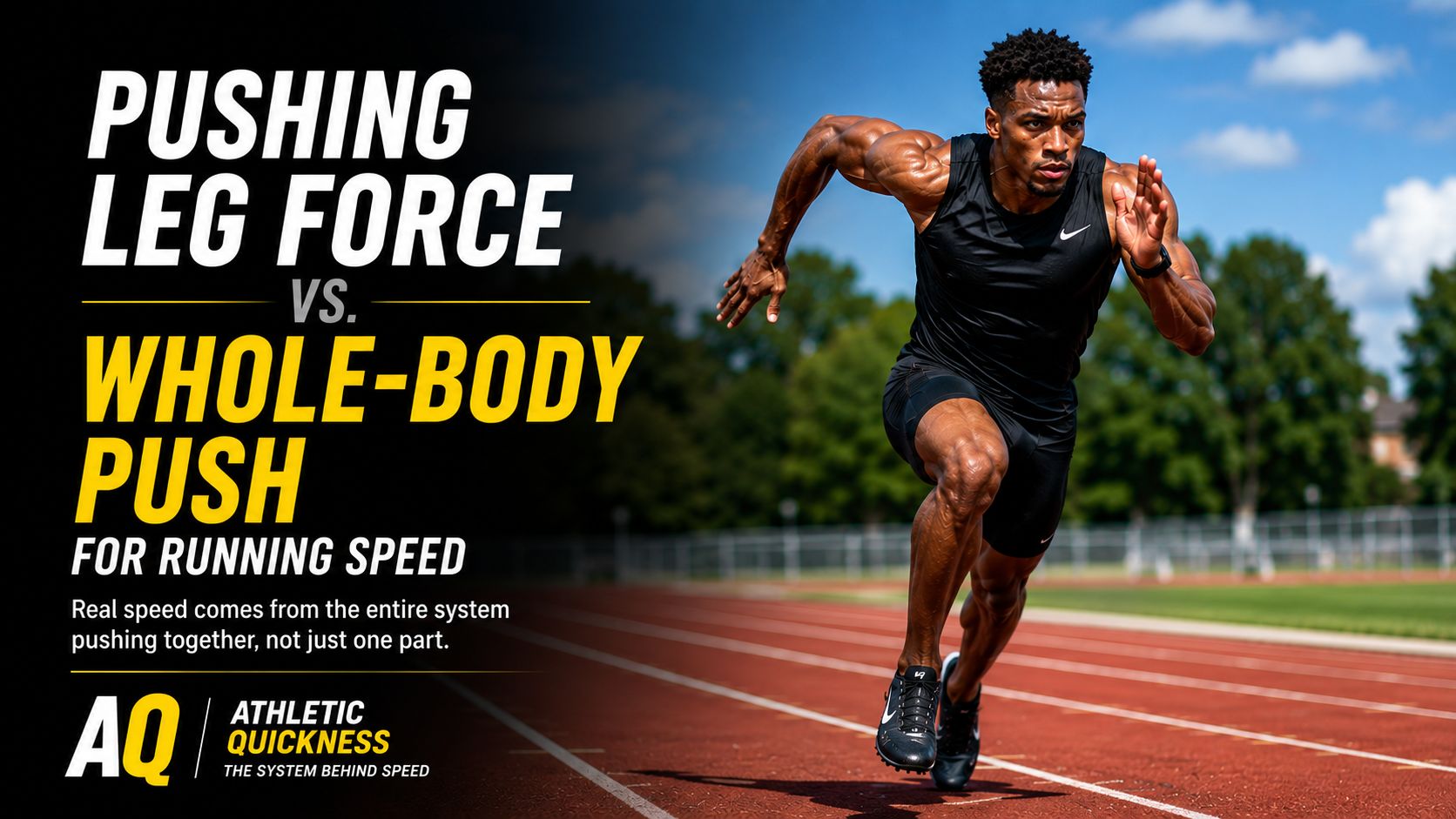
Pushing Leg Force vs. Whole-Body Push for Running Speed

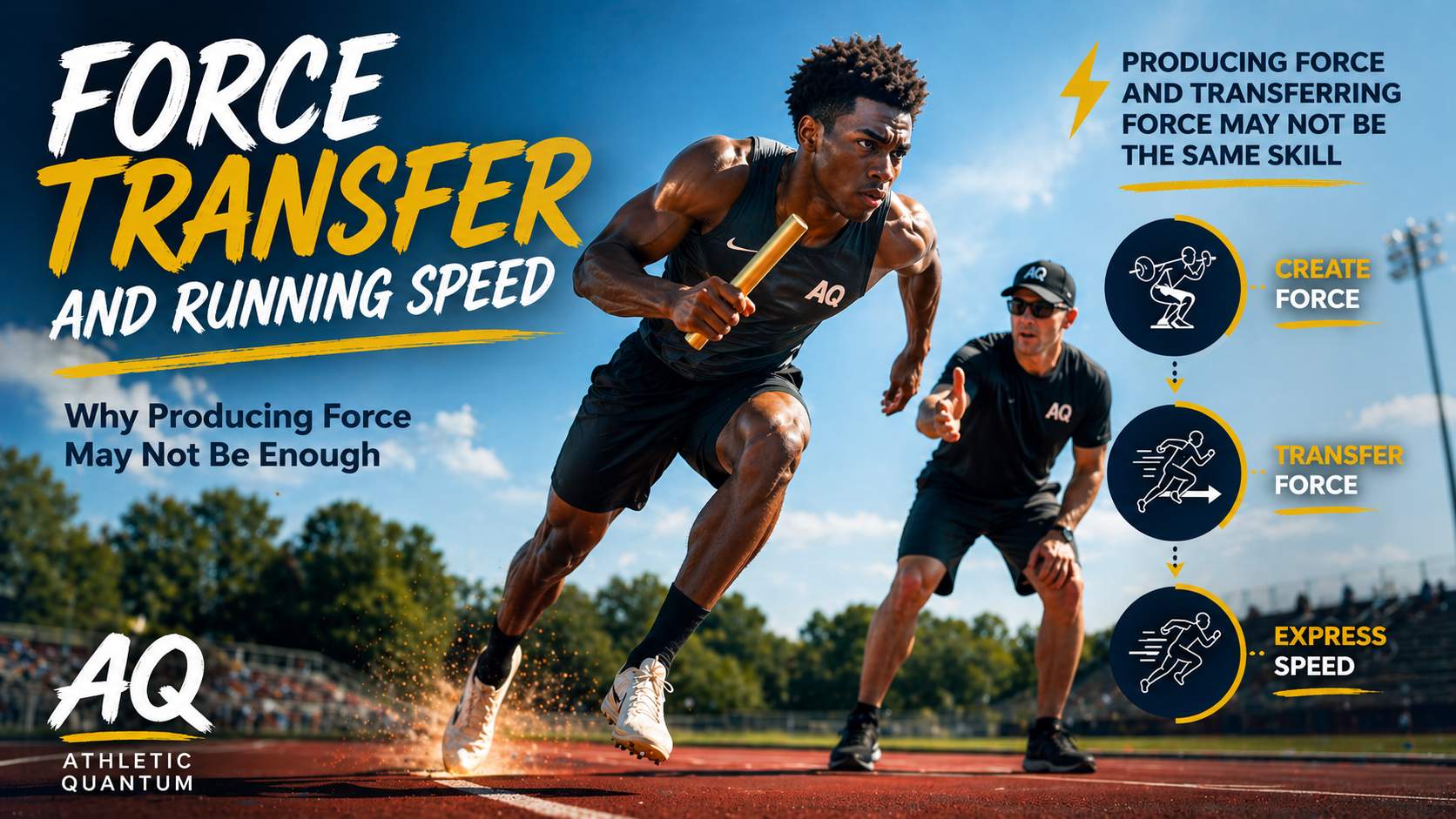
Most athletes believe faster sprinting comes from producing more force with the pushing leg. AQ explains why the pushing leg still matters, but why speed may also depend on how much the rest of the sprint system contributes to the push expression occurring through that leg. šŸš€šŸ’„

Getting stronger matters, but where that strength develops matters too. AQ explains why faster sprinting may require more complete development across the entire sprint system.

What Getting Faster May Actually Require

Getting stronger matters, but where that strength develops matters too. AQ explains why faster sprinting may require more complete development across the entire sprint system.

High school sprinter standing on an outdoor track in daylight, looking forward with confidence, representing the conclusion of the AQ Why You're Not Getting Faster series and the next step toward more complete sprint development.

We’ve Done The Hard Part. Now It’s Up To You.

You’ve questioned assumptions, looked beyond the obvious, and started seeing sprinting differently. AQ concludes the Why You’re Not Getting Faster series with a final look at what comes next.

dynamic vs static resistance

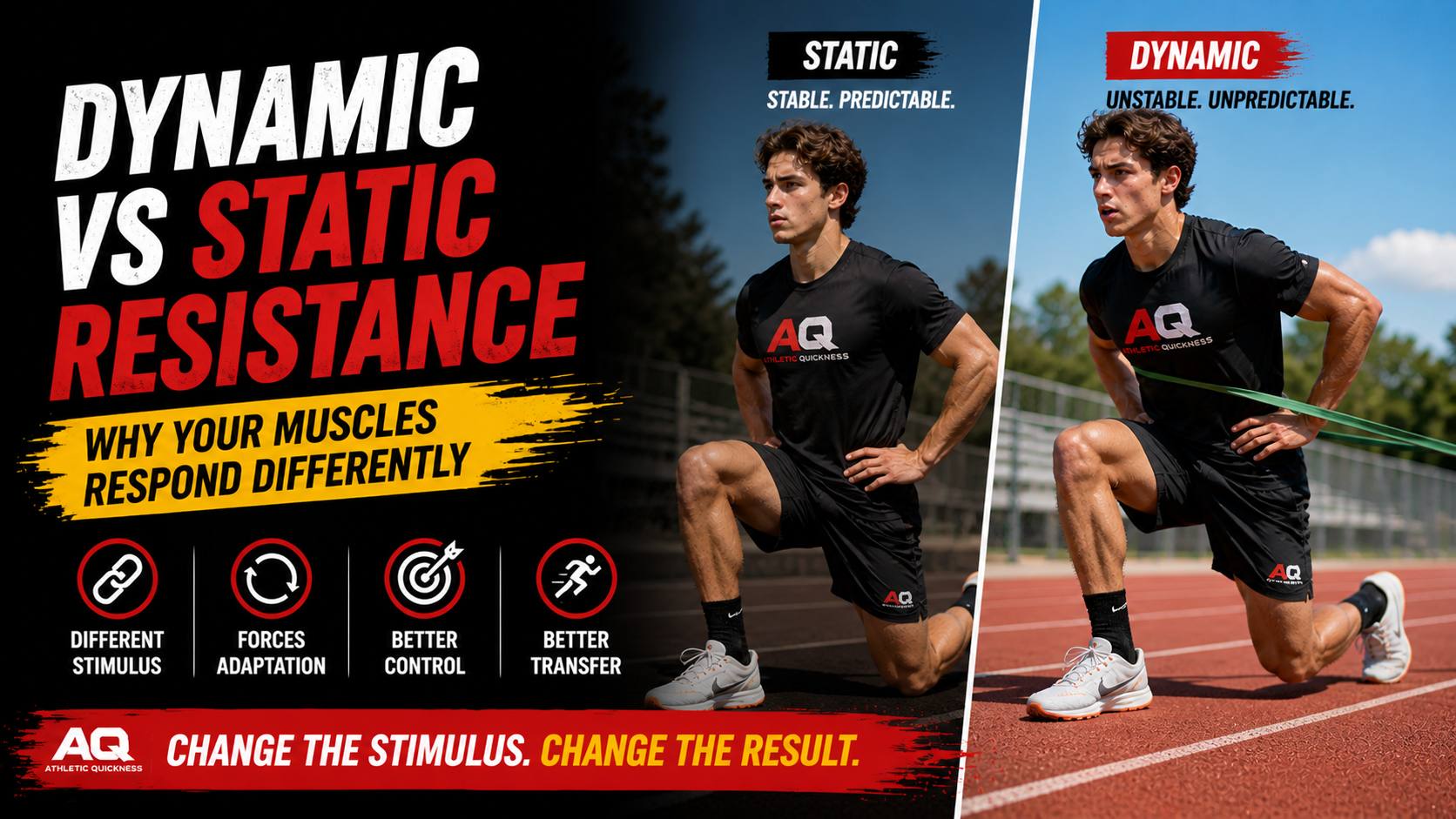
Dynamic vs Static Resistance: Why Your Muscles Respond Differently

Most athletes think changing exercises improves performance—but your body responds to stimulus, not movement. Learn how dynamic vs static resistance affects coordination, control, and speed, and why this difference can unlock real athletic improvement.

Digital Products

Immediate access after order

Easy 60 day returns

100% money back guarantee

Product Availability

Worldwide

100% Secure Pay Options

PayPal / MasterCard / Visa, etc.