Many athletes train hard, stay consistent, and still find themselves stuck at the same speed. AQ begins this journey by exploring the frustration, doubt, and unanswered questions athletes face when speed stops improving.



Most athletes believe speed comes from:
👉 more effort
👉 more strength
👉 more conditioning
So when speed stops improving, the solution seems obvious.
Train harder.
Get stronger.
Keep pushing.
But eventually many athletes discover something frustrating:
💥 the harder they work, the less their speed seems to change.
This category follows the journey many athletes experience when they begin asking:
👉 Why am I stuck?
👉 What am I missing?
👉 Why isn’t all this training producing more speed?
And perhaps the biggest question of all:
👉 What does getting faster actually require?
Throughout this series, you’ll learn:
👉 why speed is not produced by a single muscle
👉 why sprinting depends on the entire body working together
👉 why force production alone does not guarantee speed
👉 why athletes often keep training the same contributors over and over
👉 why weaknesses can exist even when strength appears to be improving
👉 why running form is often an output rather than the starting point
👉 why speed eventually becomes a system problem rather than a strength problem
👉 why getting faster may require developing parts of the sprint system that have been overlooked
Many athletes spend years trying to force more speed from the same places.
The AQ conclusion is different.
Speed is not simply about producing more force.
Speed depends on whether the entire sprint system can support, organize, and express increasingly aggressive movement.
And when that system starts working together:
👉 running feels lighter
👉 movement feels quicker
👉 timing improves
👉 projection improves
👉 speed becomes easier to access
This category was designed as a step-by-step journey.
Each article builds on the realizations that came before it.
For the best experience:
👉 start with Article 1:  Why You’re Not Getting Faster
👉 continue through the series in order
👉 allow the pieces to build gradually
💥 because the final conclusions make the most sense when you’ve seen the entire journey.
➡️ Run Faster With Isometric Training
A system-based approach to improving timing, swing support, force expression, and whole-body speed development.
Many athletes train hard, stay consistent, and still find themselves stuck at the same speed. AQ begins this journey by exploring the frustration, doubt, and unanswered questions athletes face when speed stops improving.

You’re training the right muscles and doing everything you’ve been told—but your speed isn’t improving. Here’s what most athletes are missing.
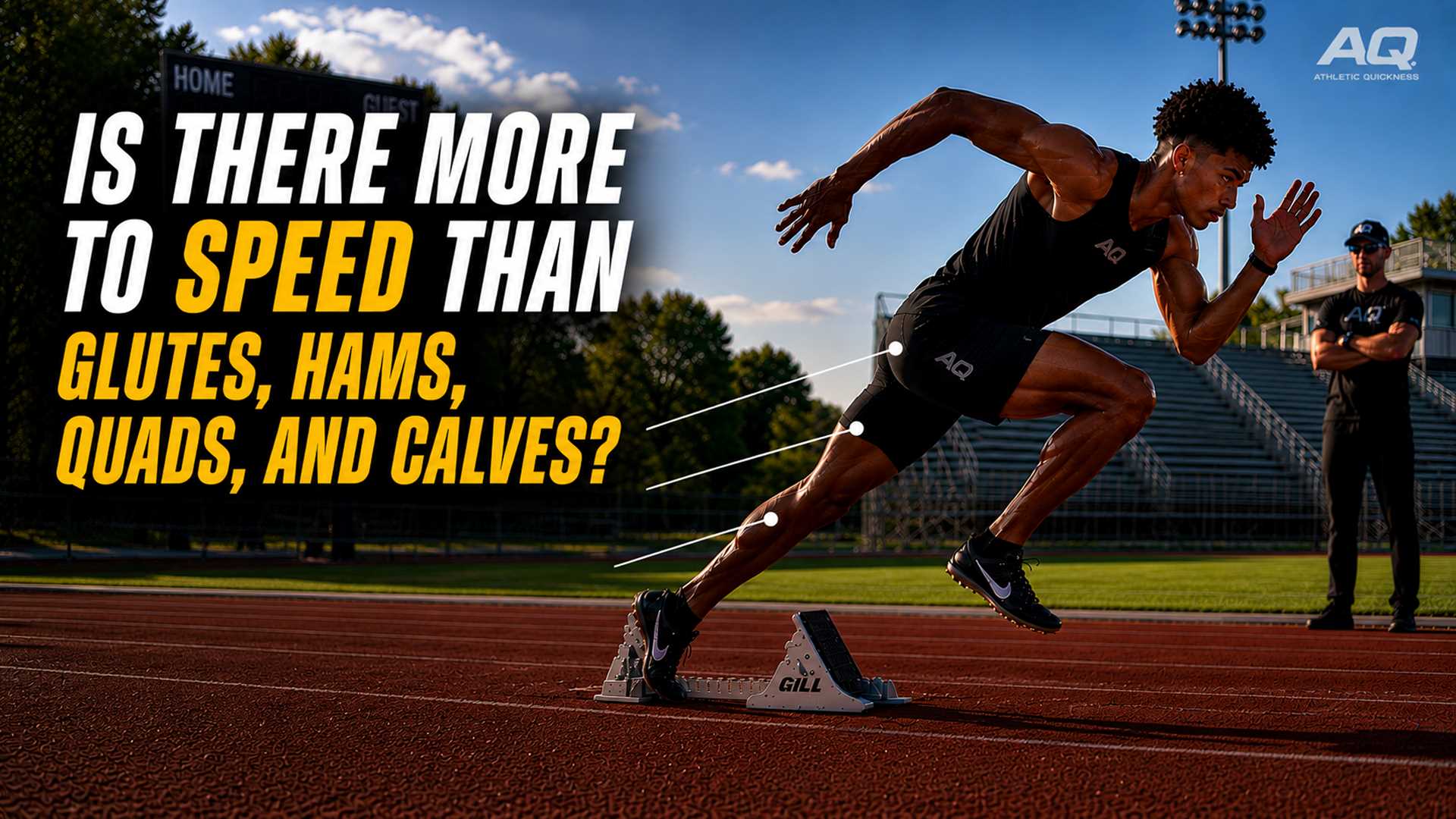
Athletes are constantly told to train their glutes, hamstrings, quads, and calves for speed. AQ explores why those muscles are important, why they dominate most speed training programs, and why many athletes still find themselves searching for answers.

You’re getting stronger but still feel stuck at the same speed. Here’s why your body controls your “gear” and what’s actually limiting your running speed.

Most athletes assume their arms are mainly there for balance, stability, and coordination. AQ explores why the role of arms in running may be more important than commonly believed and challenges several assumptions that cause athletes to underestimate their contribution to sprint speed.

Most athletes rarely think about the torso when trying to run faster. AQ explains why the torso matters for running speed, how it supports repeated rotation, and why a weak torso may leak energy that prevents speed from fully showing up.

Speed is not built by isolated muscles taking turns. AQ explains why the running speed system depends on the pushing leg, swing leg, arms, torso, and hip flexors participating together during the same stride.
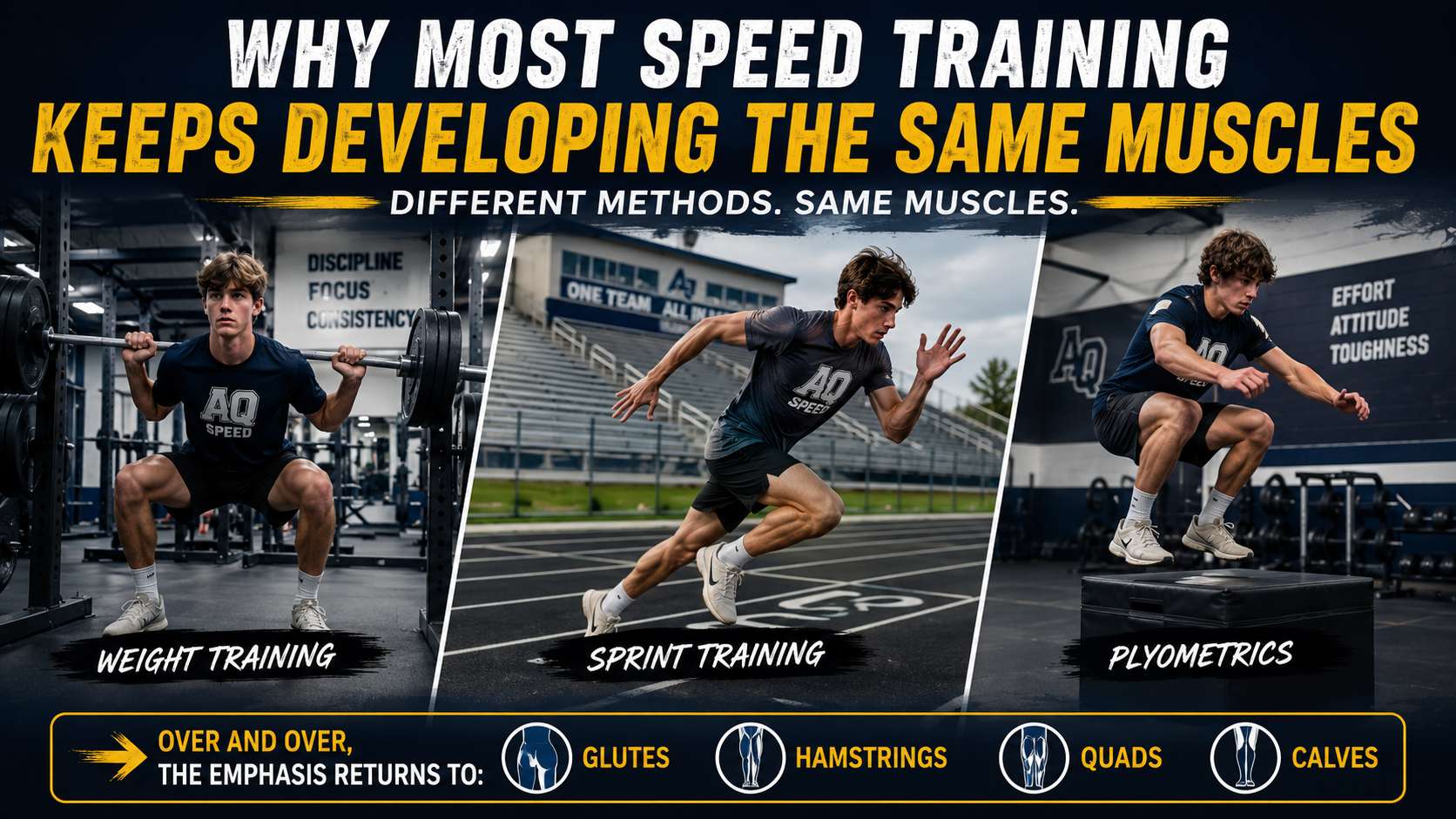
Most athletes assume different speed exercises develop completely different qualities. AQ explores why weight training, sprint training, and plyometrics often return to the same muscles—and why many athletes never realize it.
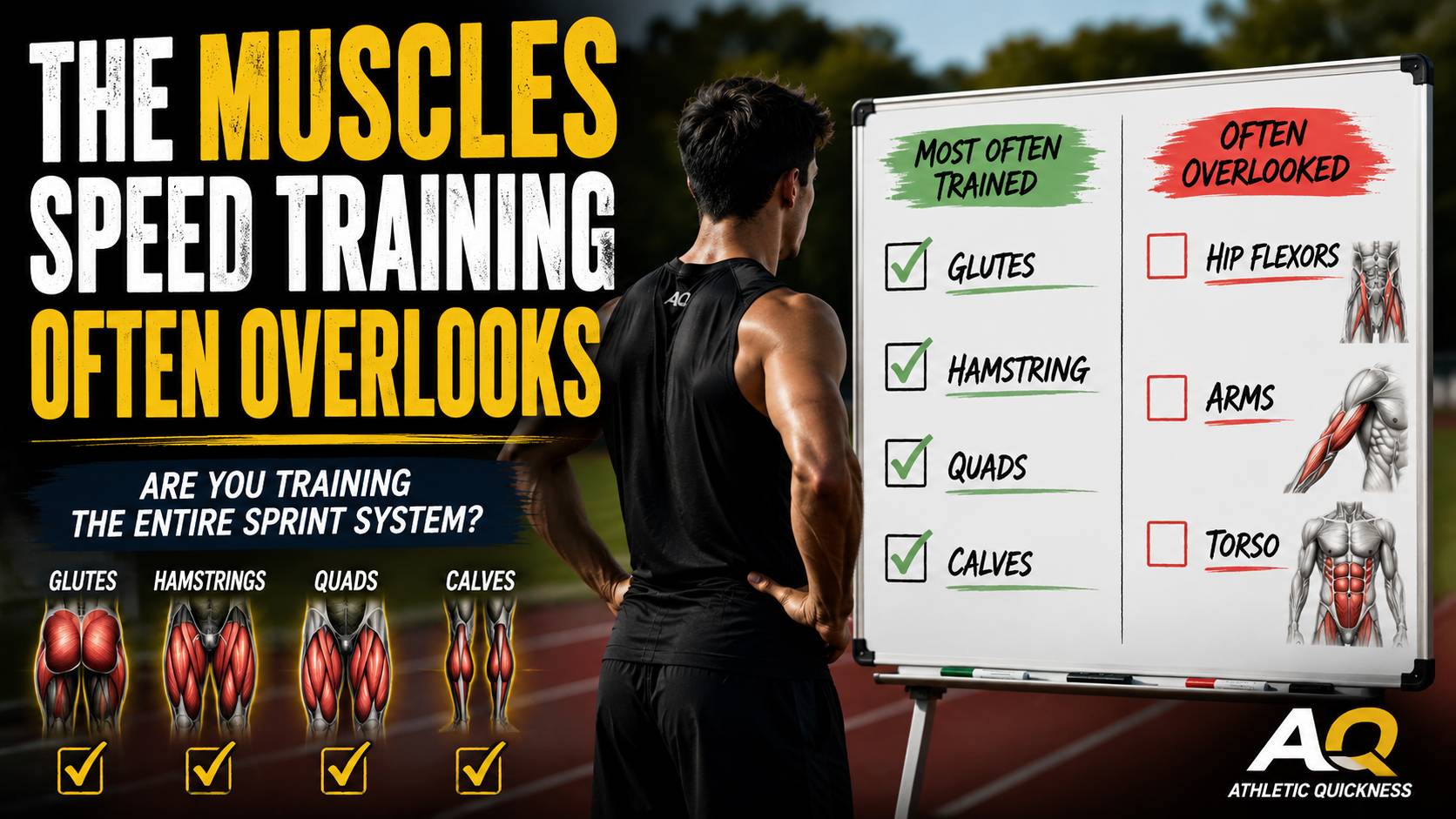
Many speed-training methods repeatedly emphasize the same muscles. AQ explores the sprinting muscles that often receive less attention and why athletes may be overlooking an important part of speed development.
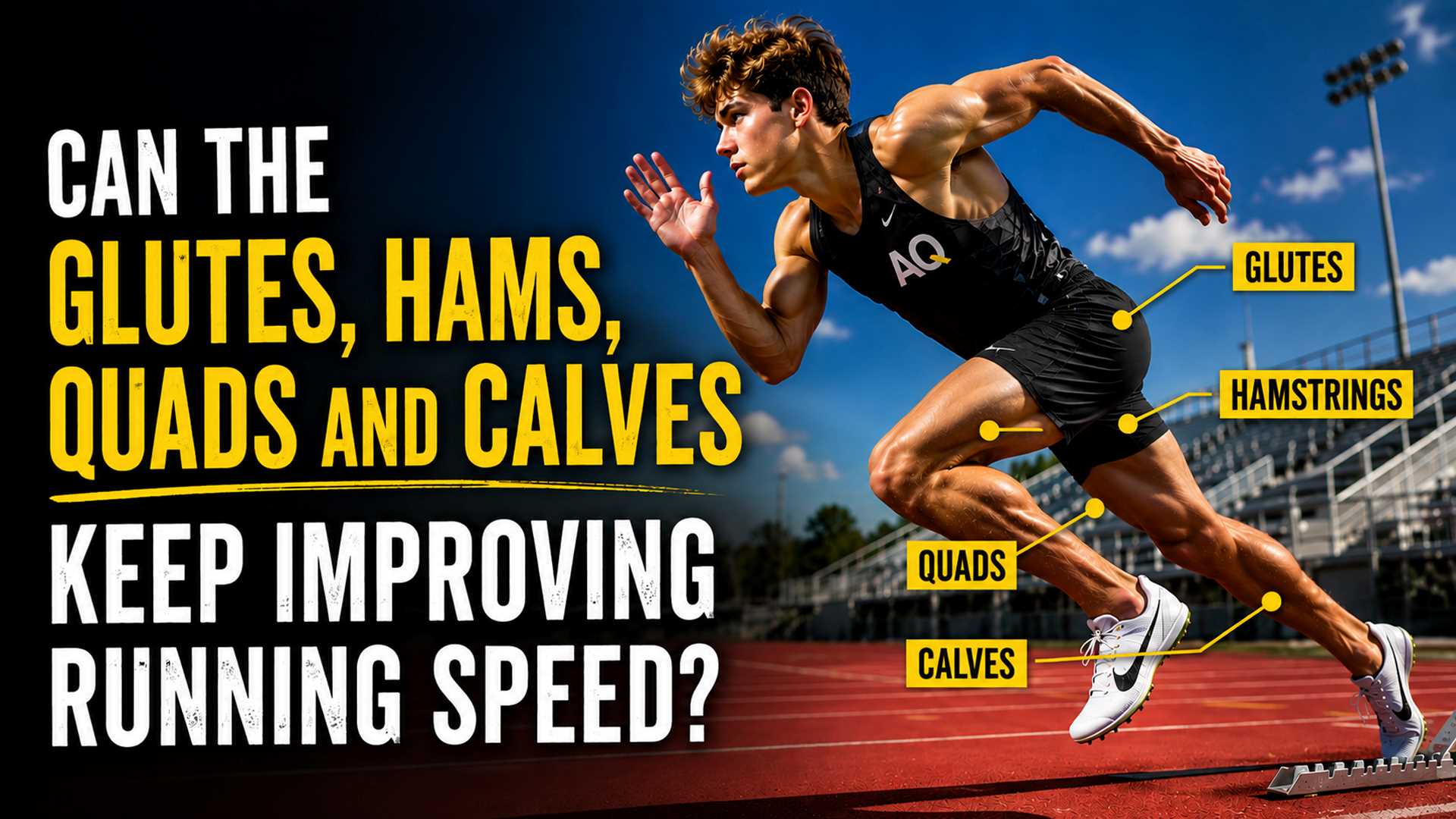
The glutes, hamstrings, quads, and calves often drive early speed improvements. But what happens when those muscles continue getting stronger while running speed doesn’t improve the same way? AQ explores the question many athletes eventually face.
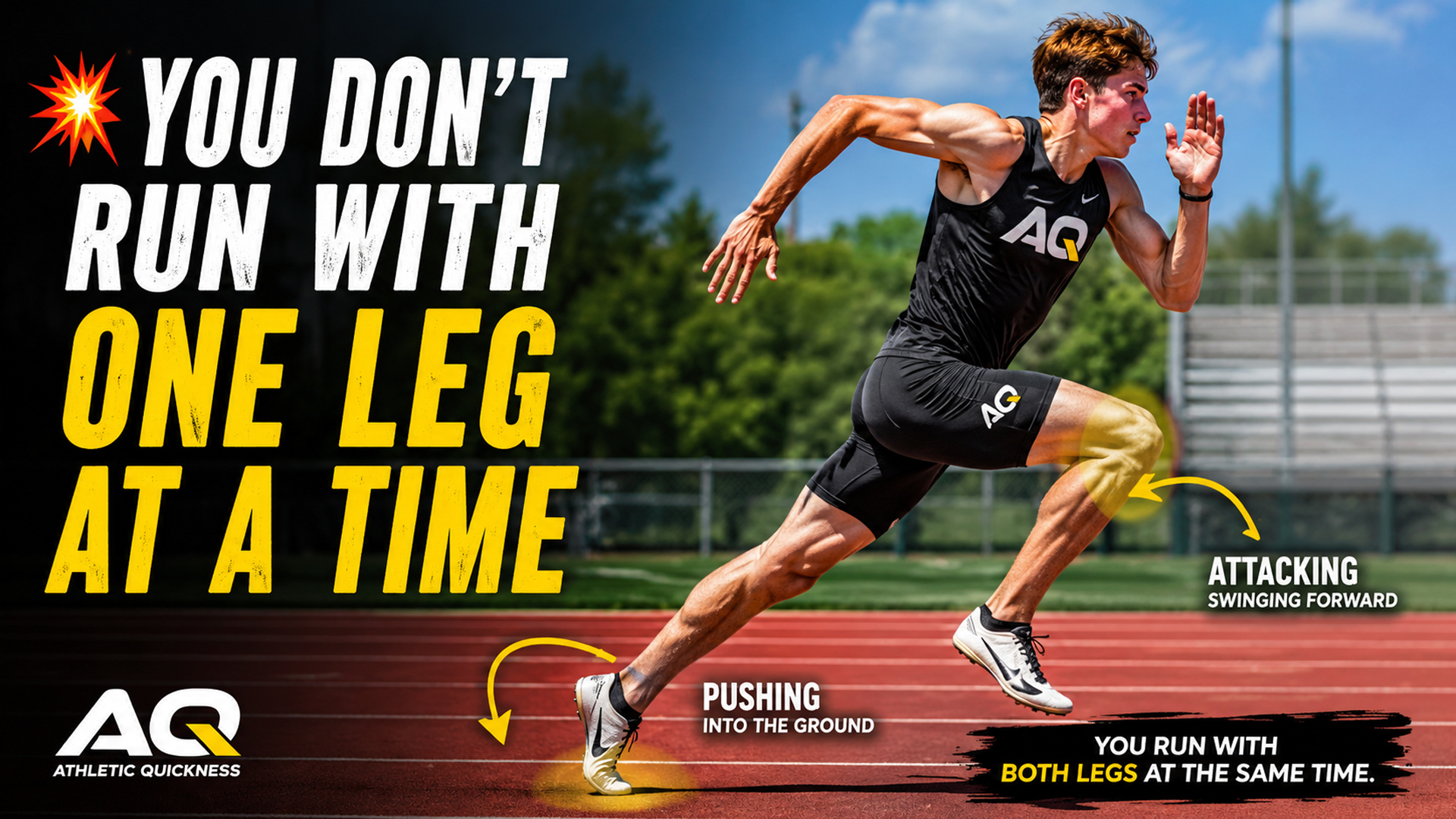
Many athletes spend years focusing on the pushing leg while giving far less attention to the opposite leg. AQ explores why sprinting uses both legs at the same time and how overlooking one side of the movement may limit speed improvement.
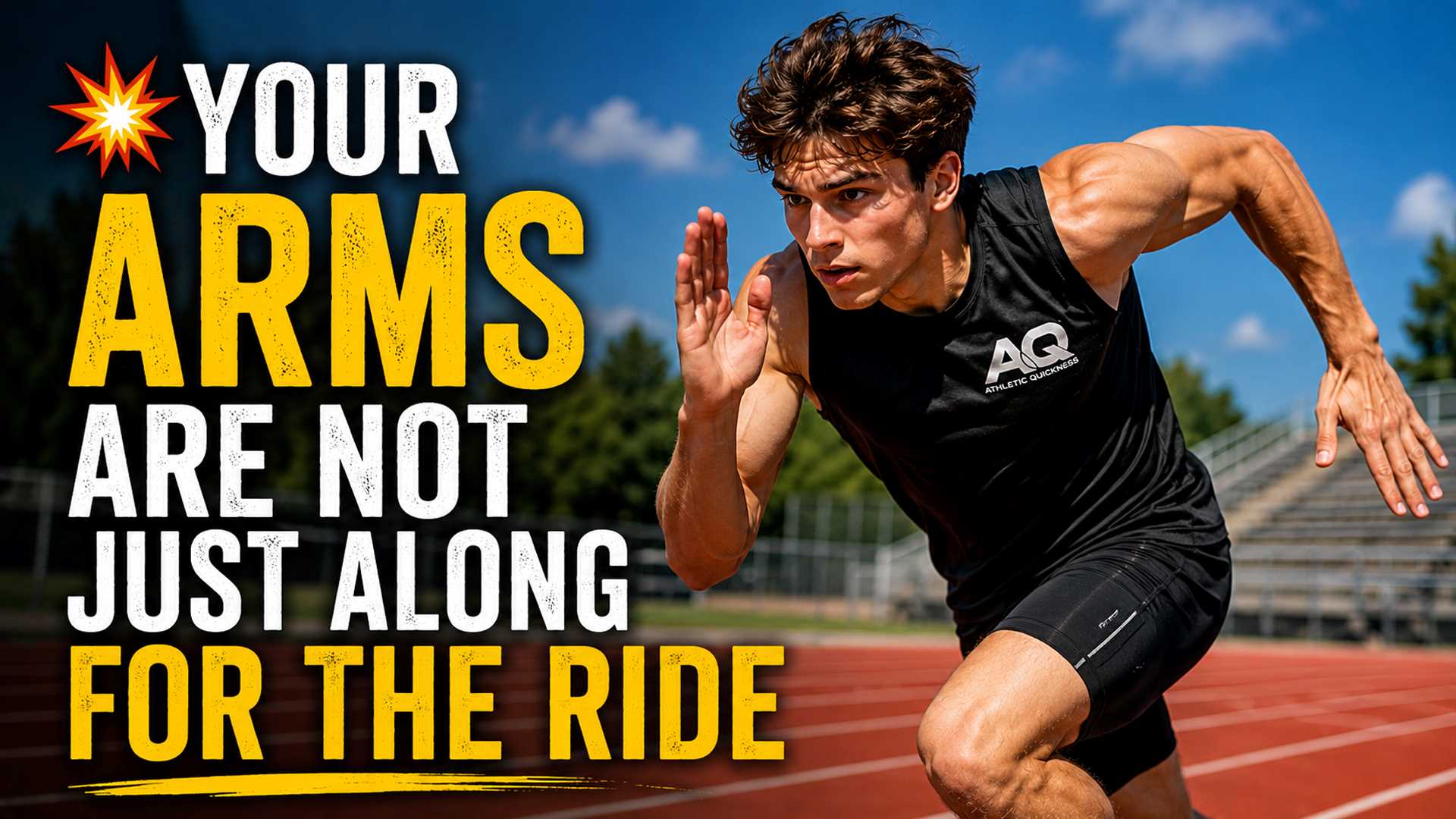
Most athletes have been taught that the legs create speed while the arms simply react. AQ explores why the arms participate during every stride and why underestimating their contribution may be one more reason you’re not faster.

The torso is often treated as a connector or stabilizer, but it participates during every stride, push, and arm action. AQ explains why underestimating the torso may be one more reason speed stops improving.
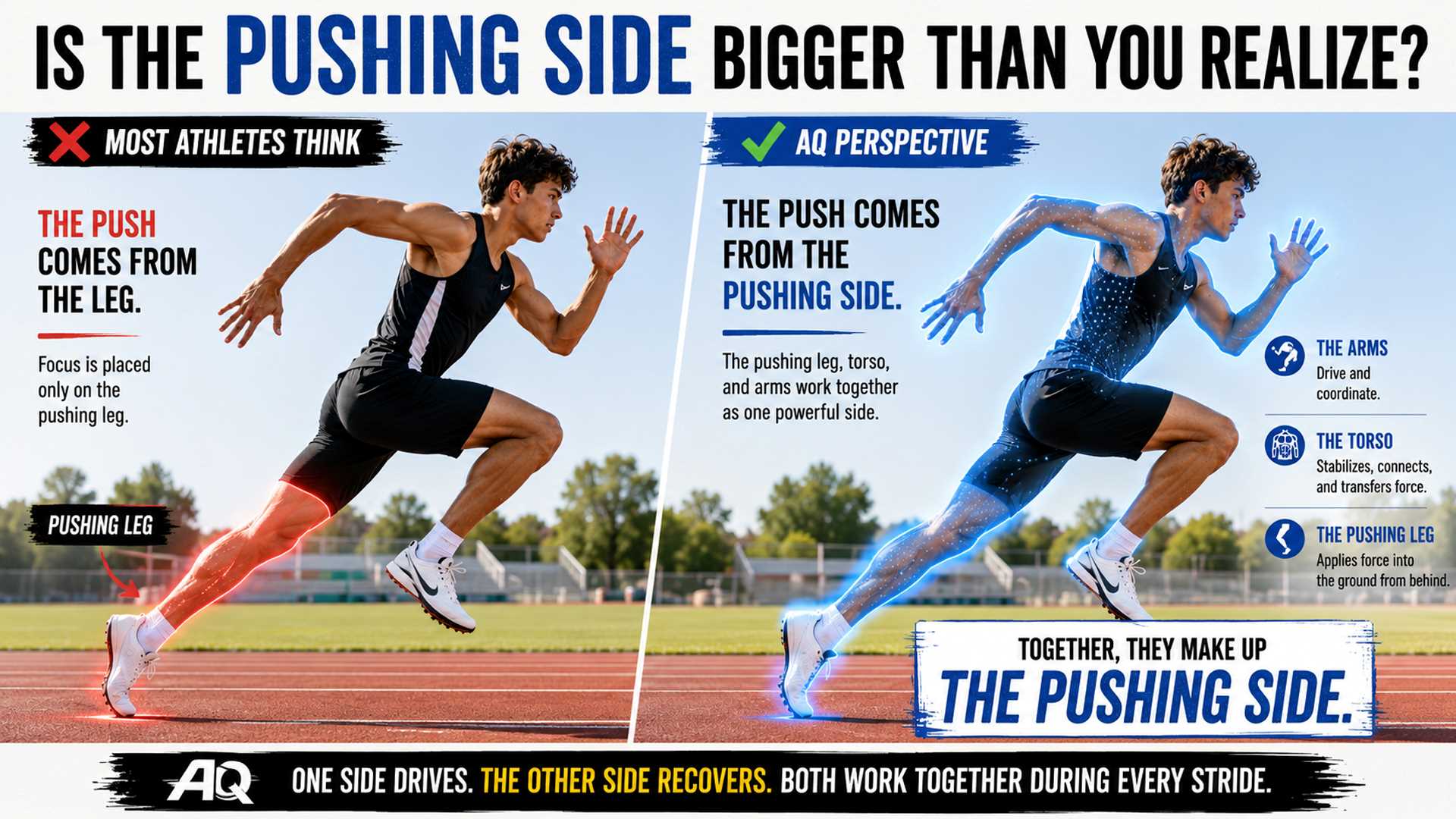
Most athletes think of the push as a leg action. AQ explores why the pushing side may be much bigger than most athletes realize and why overlooking that relationship could be one more reason you’re not faster.

Most athletes spend years focusing on the push. AQ introduces the concept of the swing side and explores whether an entire side of sprinting may be receiving far less attention than it deserves.

Most athletes focus on improving individual muscles and contributors. AQ explores whether sprint speed may depend on both the pushing side and swing side continuing to improve together.
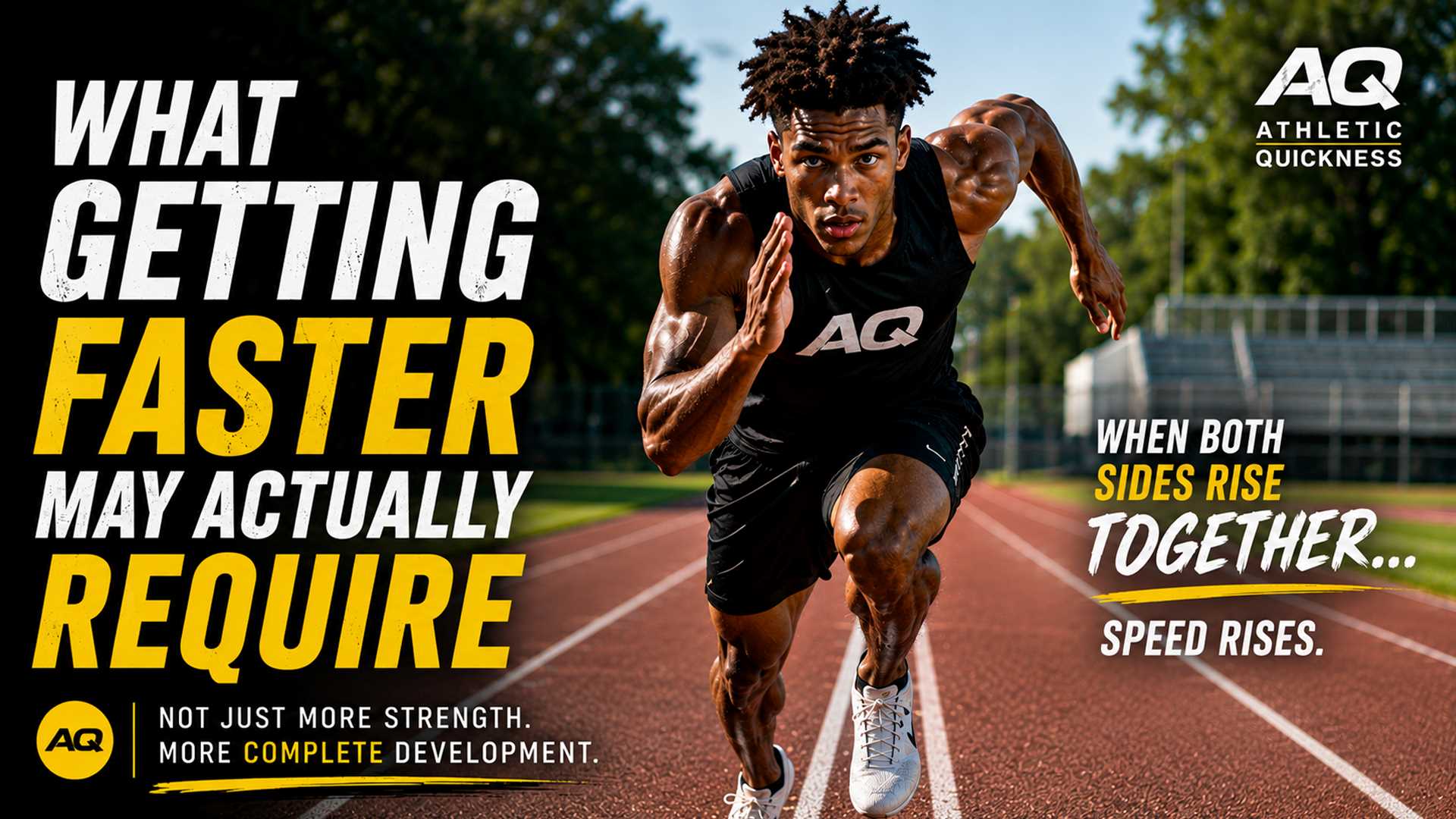
Getting stronger matters, but where that strength develops matters too. AQ explains why faster sprinting may require more complete development across the entire sprint system.

You’ve questioned assumptions, looked beyond the obvious, and started seeing sprinting differently. AQ concludes the Why You’re Not Getting Faster series with a final look at what comes next.

Chris J. – New Jersey
Event 1: 40
Before Time 1: 5.27
After Time 1: 4.90
Story: I’ve have been wanting to become a running back for my football team and had trouble increasing my speed. I did many strength exercises like leg presses, leg extensions, and leg curls. I did get results in muscle size, but not that increase of speed.
So, I went to youtube and watched the Speed Challenge video and did the thigh flexor exercise and I found quick results in my 40 yard dash! This increase in speed in so little time amazed me!”

User name: John
City, State: Odenville, AL
Event 1: 40
Before Time 1: 4.88
After Time 1: 4.79
Story: i ran a 4.6 forty yard dash as a junior in highschool. now after two years in college..i’m running a high 4.8 so i am looking to get back to my former speed so that i can possibly walk on a football team. after two weeks i am seeing my time drop and now i think i can get it all the way back down to maybe a 4.5. thanks for offering the Run Faster Program..i think it is really going to work for me.

“My name is Adam Thomas and I go to Eagle’s View Academy in Jacksonville, FL. I am a senior that has graduated and I am on my way to playing college football this upcoming season for Methodist University.
I have started to use your Speed Training,from June 1 to June 15, which has drastically dropped my 40 yard dash time from a 4.56 to a “MOVING” 4.41. I thank you, and you have blessed me and prepared me better for the next level.”
Event 1: 40
Before Time 1: 4.56
After Time 1: 4.41
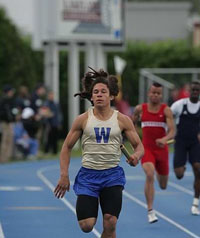
User name: David
City, State: Elk Grove Village, IL
Event 1: 100
Before Time 1: 11.9
After Time 1: 11.5
Story: I was really doubtful that this program would work, but when I finally tried it, it felt great. I feel so much faster. I’ve gone from an 11.9 to an 11.5 and can’t wait to get the whole package and see how much faster I get.

User name: Dylan
City, State: Auckland, NEW ZEALAND
Event 1: 40
Before Time 1: 5.8
After Time 1: 5.4
Event 2: 200
Before Time 2: 24.8
After Time 2: 24.1
Story: The Run Faster program is incredible! After just 14 days i have seen huge results as i feel more athletic, explosive and quick as i play soccer.
This increase in speed allows me to make goal scoring situations a lot more frequently.
It has helped my game hugely and i strongly recommend the program to any soccer player!

User name: Christian Sam
City, State: Allen, Tx
Event 1: 40
Before Time 1: 5.43
After Time 1: 5.16
Story: I wasn’t that fast, i mean i was fast but not that fast. so we ran 40’s at school and i got a 5.43, so i wasn’t satisfied, i saw yalls program, i ordered the RUN FASTER program and i did it.
I felt light right after the first workout, i did it the full 2 weeks, and my 40 dropped!! i was so happy. I’m still using it and i know hopefully I’ll be in the 4.8’s soon.
Thanks Dr. Van Such, this was amazing!!