
Home » How to Run Faster » Why Coordination Matters For Running Speed
🧠 Introduction
When most athletes try to get faster…
👉 they focus on:
• strength
• effort
• power
👉 But speed isn’t controlled by any one of those
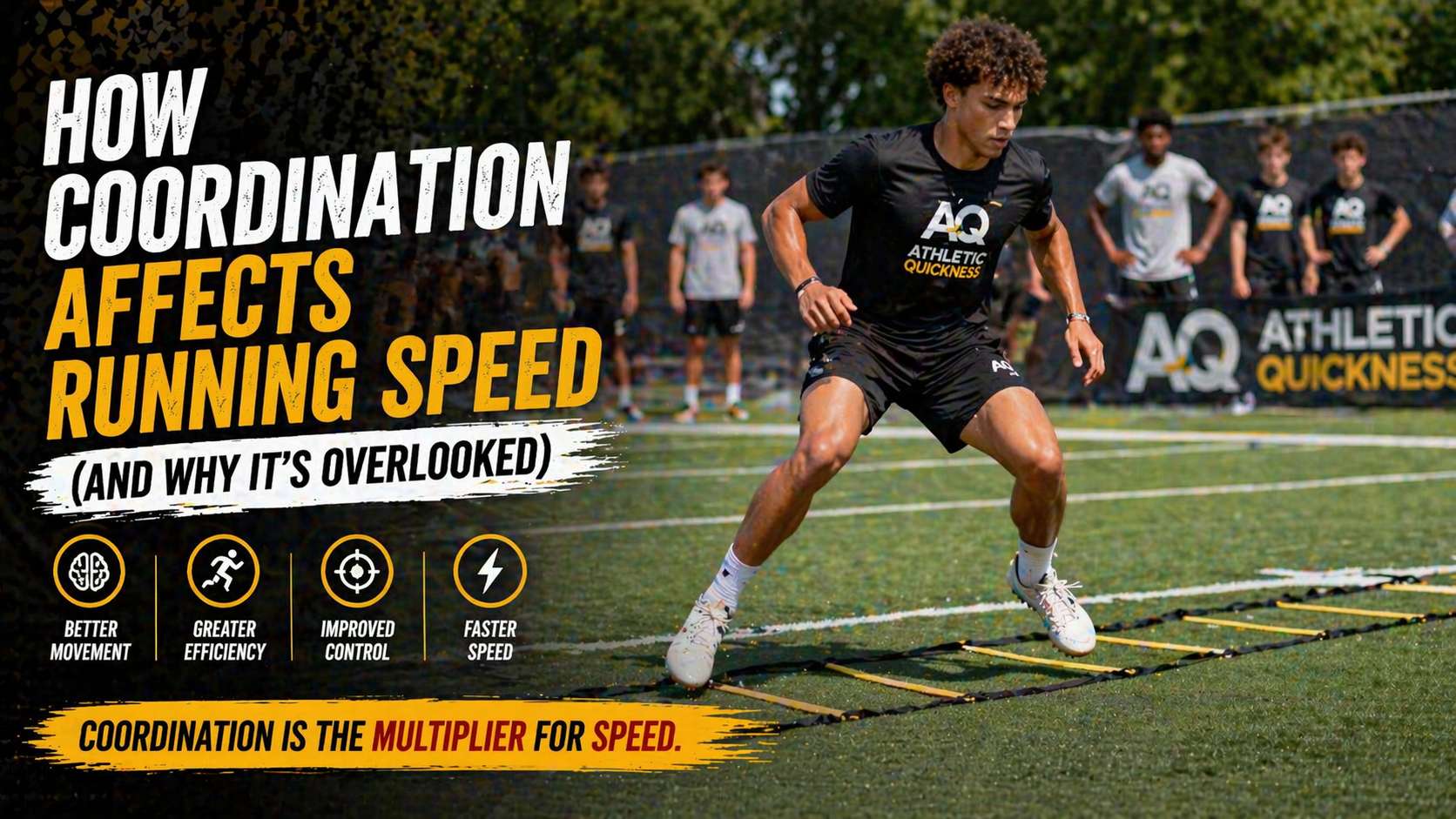
💥 It’s controlled by how well your body works together
👉 That’s coordination
➡️ Why Strength Alone Won’t Make You Faster
⚠️ Why Coordination Gets Overlooked
Coordination isn’t as obvious as strength
You can see:
• bigger muscles
• heavier lifts
• harder effort
👉 But coordination is harder to notice
💥 It shows up as:
• smooth movement
• efficient timing
• effortless speed
👉 Which is why most athletes don’t train it directly
⚙️ What Coordination Actually Means
Coordination is your ability to:
• organize movement
• time muscle activation
• connect each phase of running
👉 Not just move
👉 but move efficiently
💥 This is what allows speed to increase
👉 If you want to see how coordination fits into the full speed system:
➡️ How to Run Faster: The Complete Guide
🔄 How It Affects Running Speed
Every step requires:
• force production
• leg cycling
• balance
• timing
👉 If these don’t align
👉 speed is limited
💥 Even if strength improves
⚖️ The Hidden Limiter
Most athletes develop:
• strength
• conditioning
👉 But not coordination
👉 So their system becomes:
• powerful
• but inefficient
💥 That inefficiency limits speed
🧠 Why Strength Isn’t Enough Without It
Strength gives you the ability to produce force
👉 Coordination determines:
👉 how that force is applied
💥 Without coordination:
• force is mistimed
• movement breaks down
• energy is lost
👉 That’s why strength alone doesn’t translate
⚡ What Better Coordination Looks Like
When coordination improves:
• movement feels smoother
• timing becomes automatic
• stride cycles faster
👉 Speed starts to feel easier
💥 Not forced
🔁 Why Most Training Misses This
Most training focuses on:
• repetition
• isolated strength
• visible output
👉 But coordination requires:
• adjustment
• response
• connection between movements
💥 That’s why it’s often underdeveloped
⚡ What This Means for You
If you want to get faster:
👉 don’t just train harder
👉 improve how your system works
Focus on:
• timing
• balance
• movement efficiency
• system connection
👉 That’s what allows speed to improve
🏁 Conclusion
Speed is not just about how much force you can produce
👉 It’s about how well your body coordinates that force
💥 And that’s what most athletes overlook
🧭 Go Deeper
👉 Now apply this to your training:
➡️ Best Training Methods for Speed
🎯 Start Here
👉 If coordination is what’s limiting your speed—
👉 this is how you start improving how your system actually works
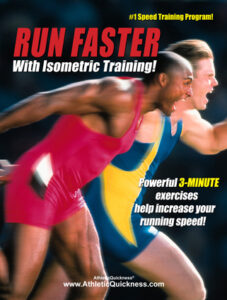
➡️ Run Faster With Isometric Training
❓ Frequently Asked Questions
What is coordination in running?
It’s how well your body organizes and times movement across each phase
Why is coordination important for speed?
Because it determines how efficiently force is applied
Can you improve speed without getting stronger?
Yes—better coordination can improve speed even without strength gains
Why don’t most athletes train coordination?
Because it’s less visible and harder to measure than strength
What improves coordination the most?
Training that challenges timing, response, and full-system movement