

Home » Why You're Not Getting Faster » Why Doing More Speed Training Can Actually Make You Slower
🧠 Introduction
At this point, you’re starting to see what most athletes miss:
👉 speed isn’t just about effort
👉 it’s about how your system works together
👉 and how you train it
💥 so the next question becomes:
👉 “How much should I do?”
And this is where things usually go wrong.
⚠️ The Natural Instinct
Once athletes find something that works, they tend to think:
👉 “If this helps… more must be better”
👉 so they add more sets
👉 more sessions
👉 more volume
💥 that’s exactly what slows them down
🧠 Why More Doesn’t Work Here
Speed doesn’t behave like strength.
👉 strength can tolerate fatigue
👉 speed depends on freshness and system sharpness
👉 when you do too much:
• your system loses sharpness
• force contribution drops
• timing between sides starts breaking down
💥 and your body starts adapting to that
⚠️ You’re Not Training for Size—You’re Training for Speed
This is another place where athletes get misled.
👉 most training is built around:
• adding size
• building mass
• increasing bulk
👉 and that works—for strength
💥 but that’s not the goal here
🧠 The Goal Is System Readiness
When you train for speed:
👉 you’re not trying to make muscles bigger
👉 you’re trying to make the system:
• strong under tension
• balanced under force
• more responsive under load
💥 not just bigger
⚡ What Most Athletes Feel (And Why It Matters)
After traditional weight training, athletes often feel:
👉 heavy
👉 tired
👉 sluggish
💥 that’s normal—for that type of training
👉 but it’s the opposite of what speed requires
🧠 What You Should Be Building Instead
With this kind of training, the goal is:
👉 strength
👉 tension control
👉 a more responsive system
👉 not fatigue
👉 not bulk
👉 not exhaustion
💥 speed training should feel like:
👉 your system is becoming sharper
👉 more responsive
👉 not worn down
⚡ The Simple Way to Think About It
👉 strength training builds force
👉 speed training improves how much of that force
👉 your system can actually use
💥 and that doesn’t improve from doing more
👉 it improves from staying sharp
⚡ What Actually Happens When You Do Too Much
Instead of improving:
👉 your system begins to down-regulate
👉 your stride shortens
👉 your timing slows
👉 your speed plateaus
👉 you feel like:
💥 “I’m doing more… but not getting faster”
🧠 This Is the Same Trap as Before
Before, the issue was:
👉 training only the push
Now, the issue becomes:
👉 overtraining the solution
💥 different problem… same result
⚠️ The Hidden Cost of Too Much
👉 when training volume gets too high
👉 you lose the very thing you’re trying to build
👉 strong force contribution
👉 balanced system timing
👉 clean force transfer
💥 because your system never gets a chance to perform at a high level
🧠 The Better Way to Think About It
Instead of asking:
👉 “How much can I do?”
Ask:
👉 “How much can I do well?”
⚡ The Right Amount (Simple Guidelines)
For most athletes:
👉 2–3 sessions per week
👉 short, focused work
👉 stop before fatigue changes the output
💥 quality always wins
⚠️ What to Watch For
If you’re doing too much, you’ll notice:
👉 your force output feels weaker
👉 your position starts to break
👉 your timing feels off
👉 or you feel flat during sprinting
💥 those are signs your system is overloaded
🧠 What Progress Should Feel Like
When you get it right:
👉 each session feels sharp
👉 your position stays strong
👉 your body feels more responsive under tension
👉 and over time:
💥 your speed begins to show up naturally
⚡ The Real Goal
You’re not trying to:
👉 do more
👉 you’re trying to:
💥 train at a level your system can actually use
🧠 Why This Matters
Because speed is not built through accumulation
👉 it’s built through high-quality force production
💥 when the system is fresh enough to respond
🔥 The Simple Rule
👉 stop while the system still feels sharp
👉 not after fatigue changes the output
💥 that’s how speed improves
⏩ Where We’re Going Next
Now that you know how much to do…
👉 the next step is understanding how to tell if it’s working
➡️ How to Know If Your Speed Training Is Actually Working
We’ll break down:
• what to feel
• what to look for
• and how to track real progress
Because once you know that…
👉 everything becomes clearer
🚀 What This Means for You
Doing more is not always better.
👉 once the system loses sharpness
👉 the quality of force contribution starts dropping
💥 and that’s when speed development slows down
👉 the goal is not exhaustion
👉 the goal is high-quality force expression
🧭 Go Deeper
➡️ RUNNING MECHANICS EXPLAINED: The System That Makes You Faster
🎯 Start Here
You do not need endless speed sessions.
👉 you need the system to stay fresh enough
👉 to express force cleanly and consistently
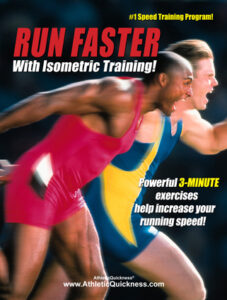
➡️ Run Faster With Isometric Training
A simple way to improve how much force your system can express—without unnecessary volume.
❓ FAQ
How often should I train this?
👉 for most athletes, 2–3 focused sessions per week is enough
Why does too much training slow speed down?
👉 because fatigue reduces the system’s ability to express force cleanly
Should speed training leave me exhausted?
👉 no—speed training should leave the system feeling sharp and responsive, not worn down