
Many athletes believe sprint speed is limited by effort alone. AQ explains why faster sprinting may depend on how effectively the sprint system can support, balance, and organize aggressive movement between the pushing side and swing side.

Many athletes believe sprint speed is limited by effort alone. AQ explains why faster sprinting may depend on how effectively the sprint system can support, balance, and organize aggressive movement between the pushing side and swing side.

Most athletes use words like coordination, rhythm, and smooth mechanics to describe faster sprinting. AQ explains why those feelings may actually reflect deeper sprint-system improvements underneath, including stronger pushing-side contribution, more aggressive swing-side thrust, cleaner contributor timing, and more continuous sprint-system organization during aggressive sprinting. 🚀💥

Most athletes learn sprinting as push, swing, recover, repeat. AQ explains why sprint mechanics involve multiple contributors working simultaneously throughout the stride and why that changes how speed is understood.

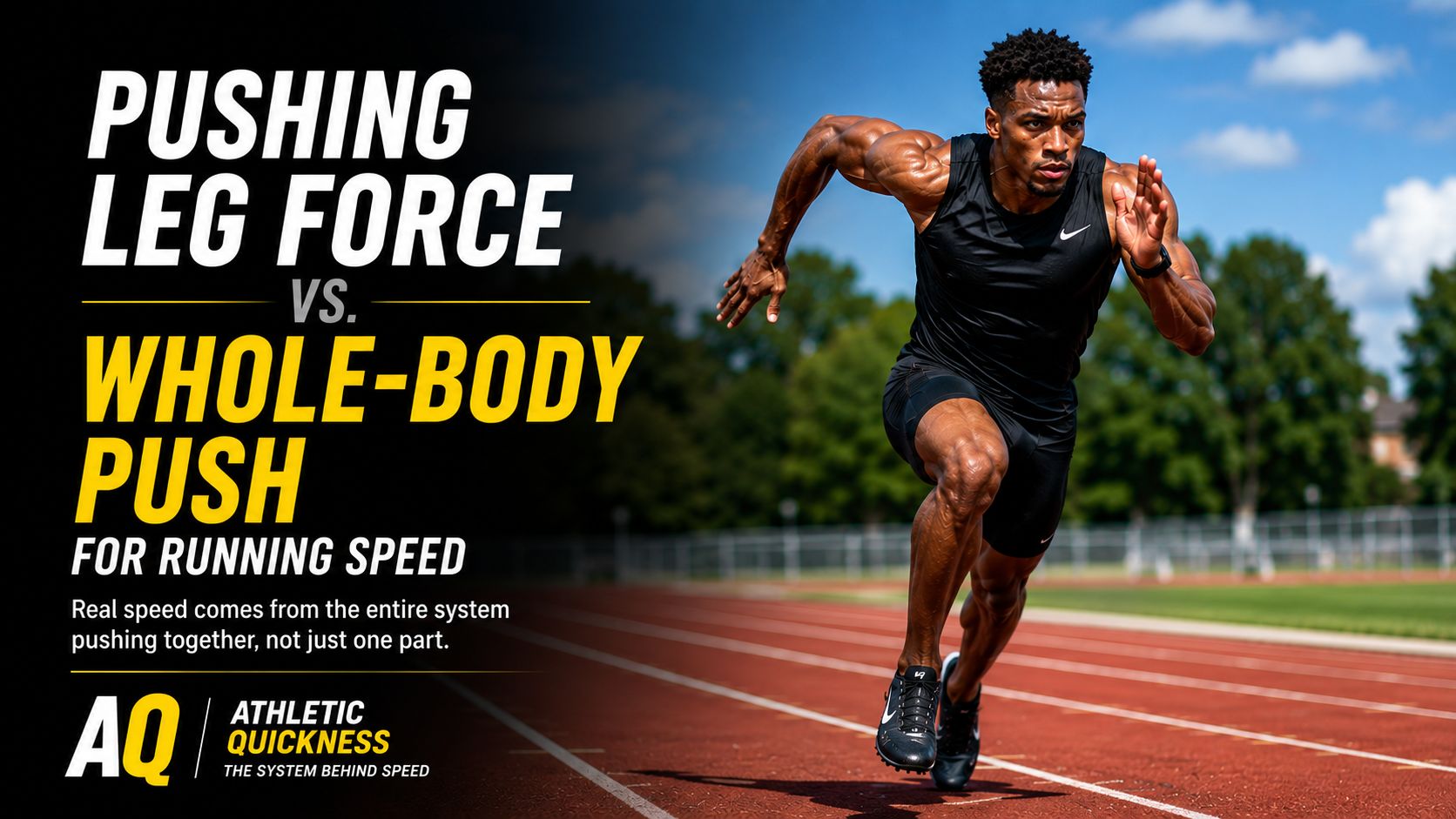
Most athletes believe faster sprinting comes from producing more force with the pushing leg. AQ explains why the pushing leg still matters, but why speed may also depend on how much the rest of the sprint system contributes to the push expression occurring through that leg. 🚀💥

Avoid the most common speed training mistakes that slow you down and learn how to keep your training sharp, efficient, and effective.

Learn how to progress your speed training without slowing down by focusing on quality, freshness, and improving how your system responds—not doing more.

Better running form isn’t something you force. Here’s why your form improves naturally when your speed system becomes stronger and more balanced.

Speed training should feel different when it’s working. Here’s how to recognize lighter strides, faster steps, smoother movement, and real progress.

You’re working hard but still not getting faster. Here’s how to train the muscles that actually control your speed—and what most athletes overlook.

You’re training hard but still feel stuck. Here’s what actually determines how fast you can run—and why most athletes miss it.

You’re getting stronger but still feel stuck at the same speed. Here’s why your body controls your “gear” and what’s actually limiting your running speed.

You’re getting stronger and doing everything right—but your speed isn’t improving. Here’s why strength alone doesn’t transfer to speed and what you’ve been missing.

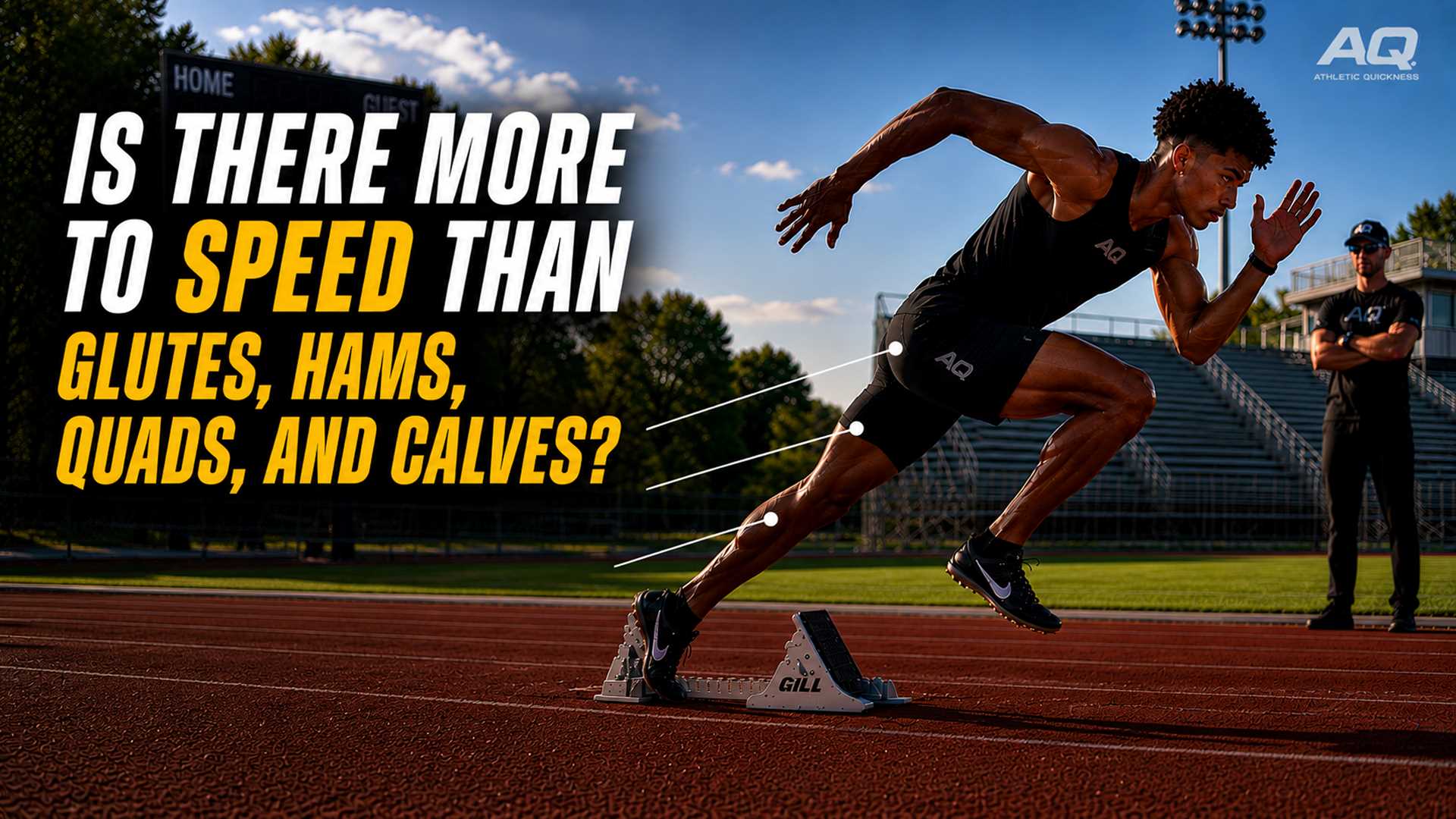
Learn which running muscles actually control speed. Discover how training hip flexors, glutes, hams, quads and calves can unlock faster sprinting performance.

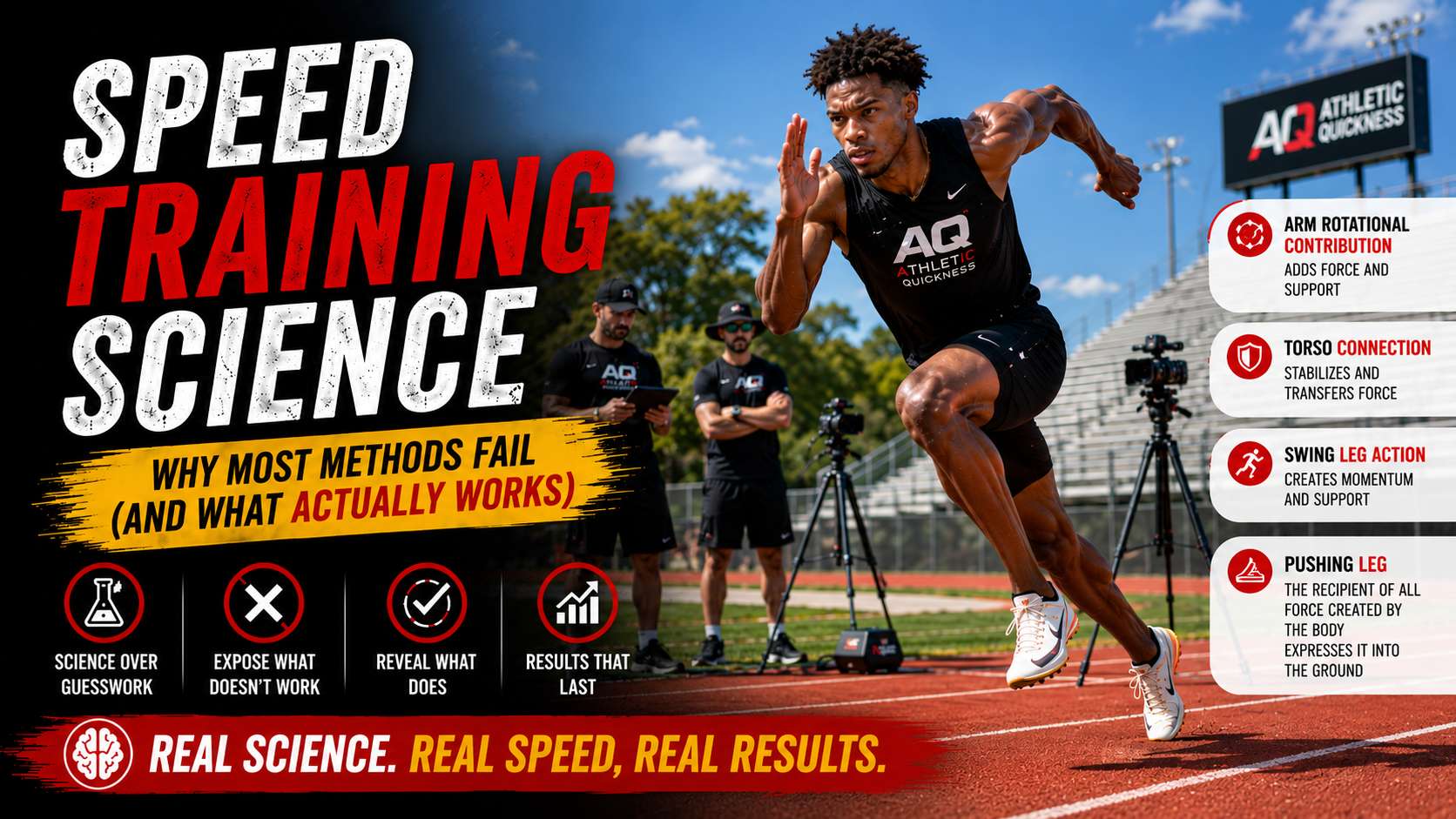
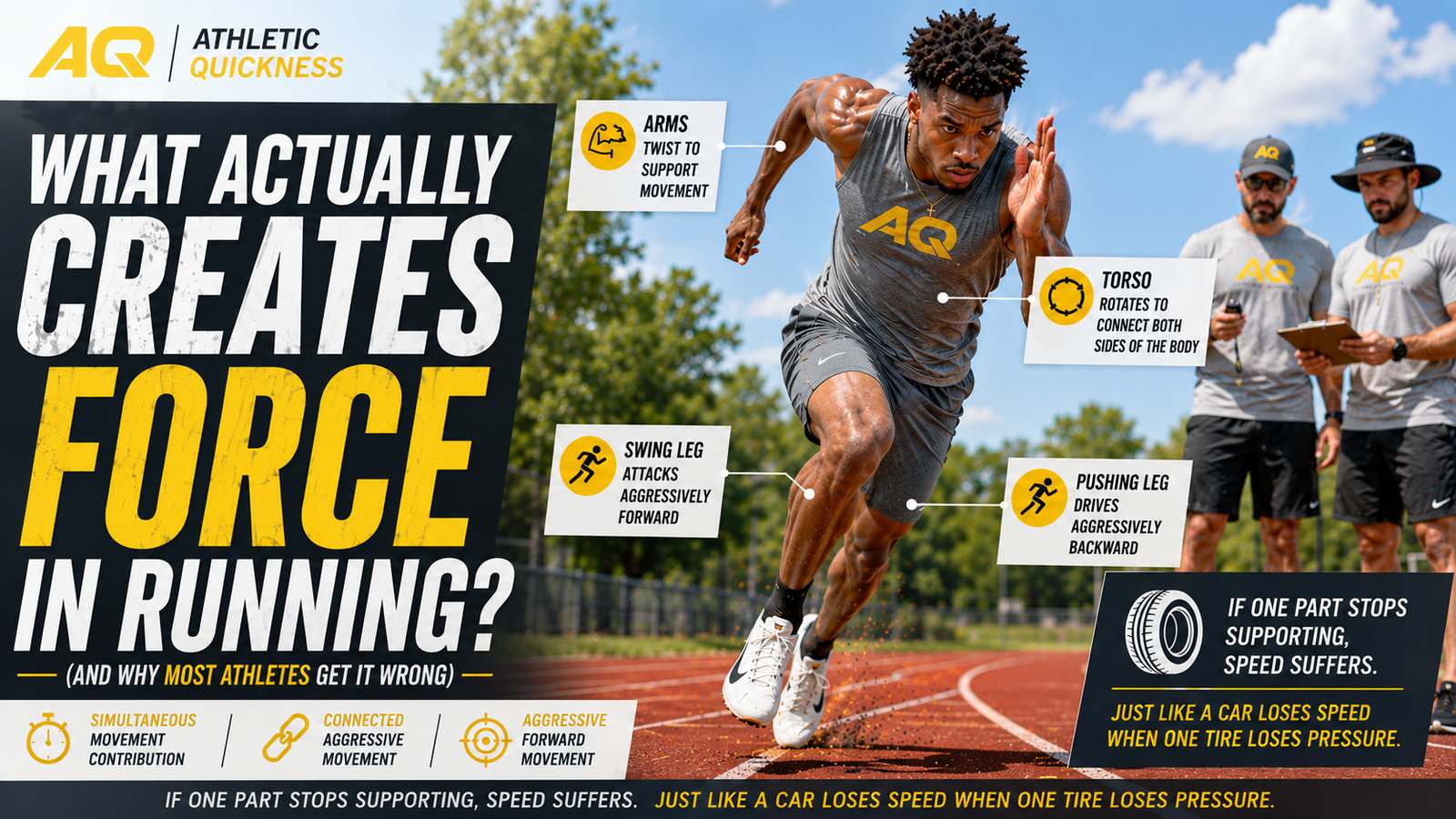
Most athletes focus on force production and the pushing leg. AQ explains why sprint speed may depend on the pushing leg, swing leg, arms, and torso reaching their greatest strength contribution together—and what happens when one contributor can no longer keep up.

Hip flexor muscles are one of the most overlooked factors in running speed—and often the true limiting factor. This article explains how they control stride rate and why increasing speed depends on raising strength balance across the entire system, not just pushing harder.

Most athletes assume smooth running creates speed. AQ explains why smooth sprinting may actually be the result of better sprinting, how the pushing side and swing side influence movement quality, and why smoothness may be revealing speed rather than creating it. 🚀💥

Many athletes believe quick feet automatically lead to faster running. AQ explains why quick feet may be one of the most visible expressions of speed rather than its true source, and why improving sprint-system function may matter more than simply moving the feet faster. 🚀💥

Want to know how to run faster and finally see real results? This guide breaks down the system behind speed, explaining why strength alone isn’t enough and how improving strength balance, timing, and coordination across your entire body leads to faster, more efficient running.

Most athletes train hard but don’t get faster. This article explains the science behind speed training, including muscle contraction, fast twitch fibers, and why traditional methods often fail to improve speed.

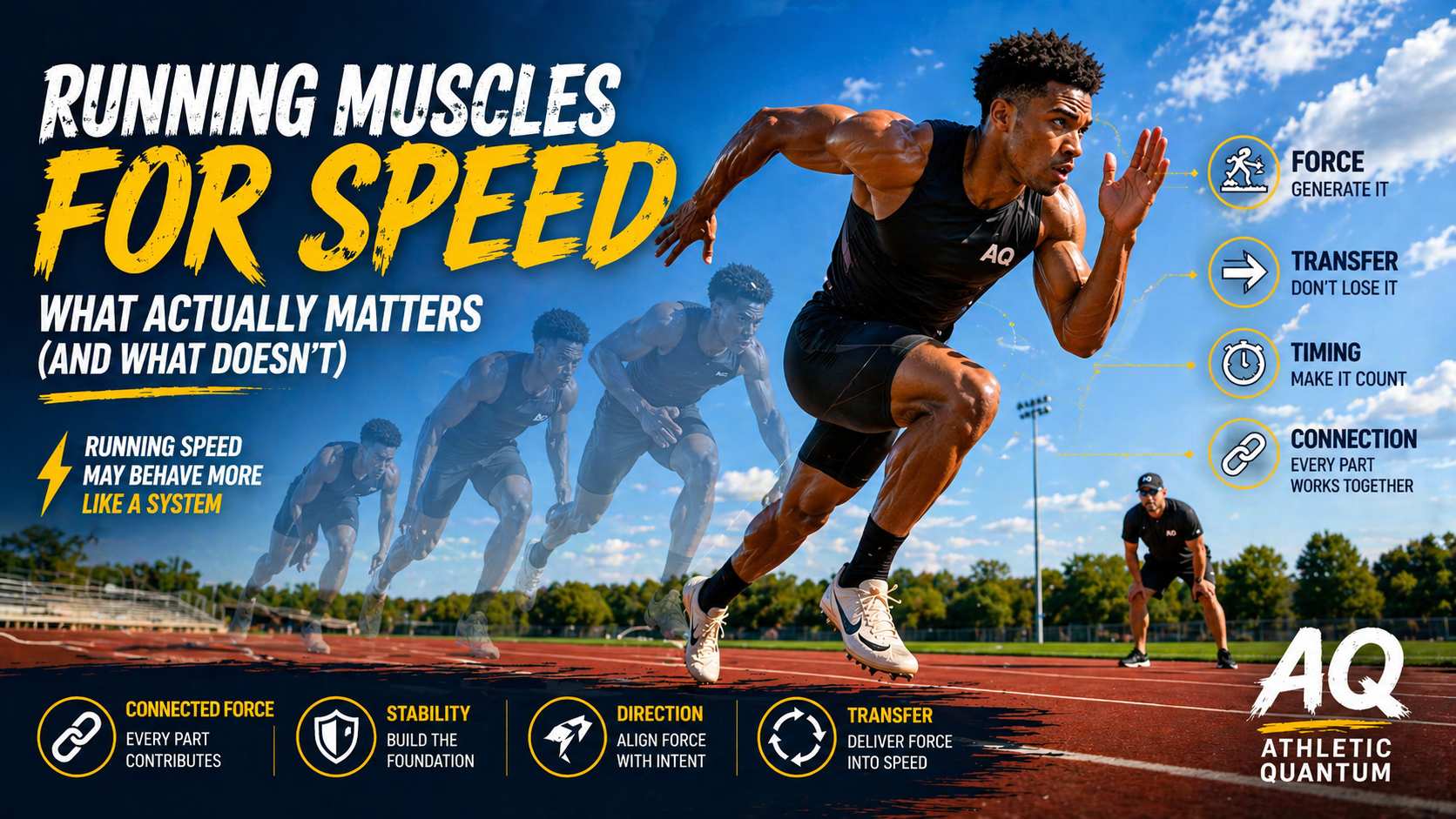
What if speed depends less on isolated body parts and more on how the entire sprint system continues supporting movement, timing, and balance from step to step?

Force is one of the most misunderstood aspects of running. Many athletes think strength alone creates speed, but force depends on how your system applies and transfers energy. Learn what actually creates force in running and how to improve it.

Many athletes believe faster turnover automatically creates more speed. AQ explains why stride rate is often a reflection of sprint-system function and why identifying the real limitation may matter more than simply trying to move your legs faster.

Many athletes try to fix overstriding by changing where the foot lands. AQ explains why overstriding may be the visible outcome of deeper contributor limitations involving the pushing leg, swing leg, arms, torso, and strength balance.

Most athletes assume shorter ground contact time creates faster running. AQ explains why contact time may often be an outcome of contributor relationships already influencing the next step before the foot reaches the ground.