
There are three types of muscle in your body—but only one directly impacts speed. Learn how skeletal muscle affects performance and why coordination matters more than muscle type alone.
sprint mechanics
Fast Twitch vs Slow Twitch: What Actually Makes You Faster?
Discover the difference between fast twitch and slow twitch muscle fibers and learn what actually impacts running speed and athletic performance.
Muscle Contractions Explained (And How They Impact Running Speed)
Learn how concentric, eccentric, and isometric muscle contractions affect running speed, coordination, and overall athletic performance.
The 3 Types of Muscle Contractions for Speed (And How to Train Them)
Discover the three types of muscle contractions and how they work together to improve running speed, coordination, and performance.
How Torque Through The Hips Creates Speed, Power, and Athletic Performance
Torque is one of the most overlooked drivers of speed. Learn how your body organizes force through the hips and turns strength into real performance through coordination, timing, and efficient movement.
Why Traditional Training Can Make You Stronger—But Not Always Faster
Learn why traditional training methods can increase strength without improving speed, and what actually drives running performance.

Why This Type of Speed Training Works (The Science Behind It)
Learn why some speed training methods work better by improving coordination, timing, and how your muscles respond during movement.

How to Train Fast Twitch Muscle Fibers for Speed (Without Adding Bulk)
Discover how to train fast twitch muscle fibers for speed, power, and quickness without adding unnecessary muscle mass.
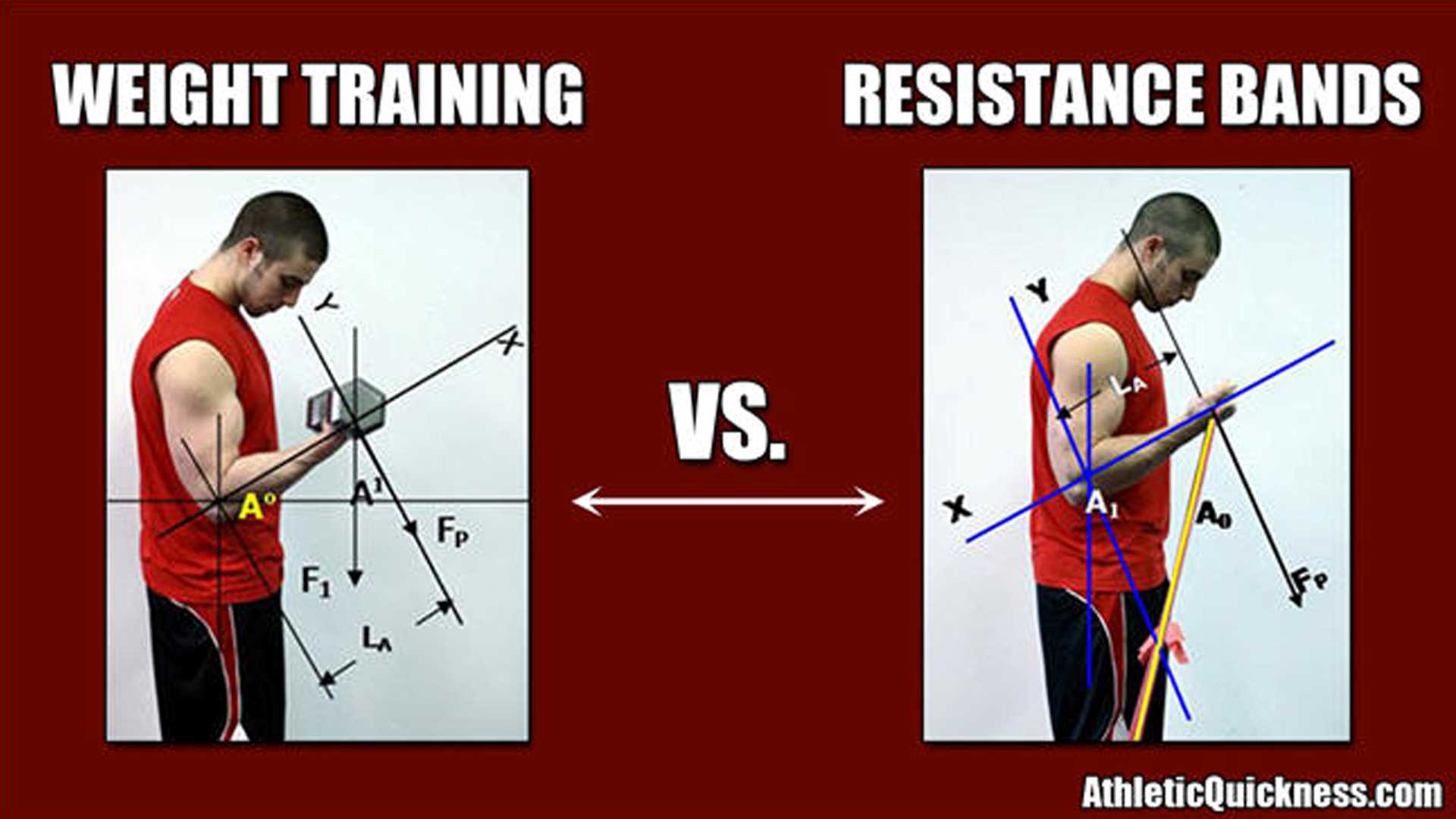
How Resistance Bands Improve Speed (And What They Add Beyond Weights)
Discover how resistance bands improve speed by enhancing coordination, timing, and movement alongside traditional weight training.
Why NFL Prospects Get Stronger… But Not Faster (The 40-Yard Dash Problem)
Many NFL prospects get stronger before the Combine—but don’t run faster. This article explains why strength alone doesn’t improve speed and how imbalance in the system limits performance.
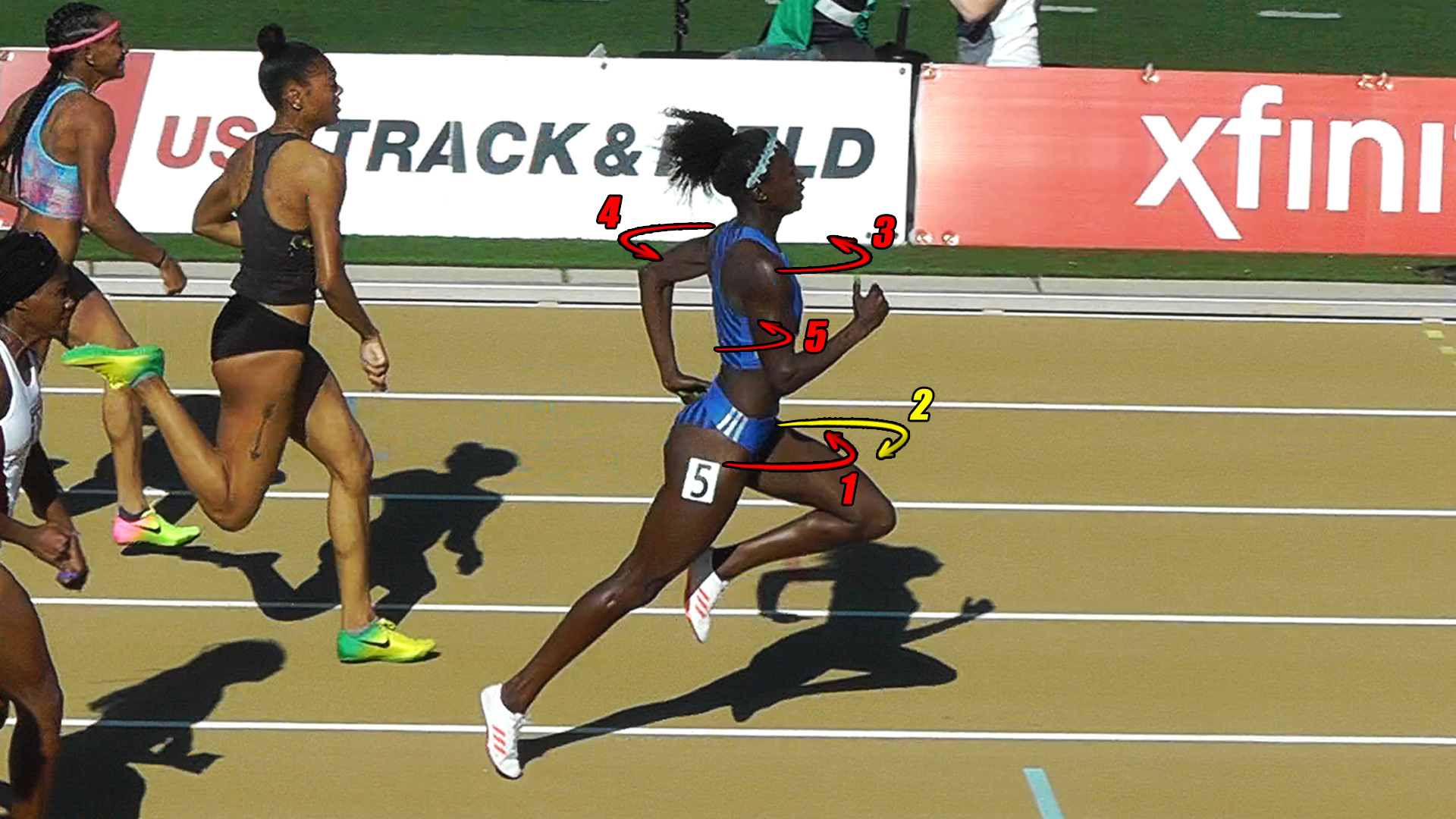
RUNNING MECHANICS EXPLAINED: The System That Makes You Faster
Discover how running mechanics really work using a simple rotation system. Learn how swing patterns, hip flexors, and timing impact your speed and performance.
How to Improve Strength Balance for Maximum Running Speed
Learn how running coordination affects speed. Discover how timing, balance, and synchronization improve performance and efficiency.
Running Form Mistakes That Are Slowing You Down (And How to Fix Them)
Learn the most common running form mistakes and how to fix them. Discover why form issues come from imbalance, timing, and coordination.
Stride Length vs Stride Frequency: What Really Makes You Faster?
Learn the truth about stride length vs stride frequency. Discover why both are outcomes of coordination, timing, and full-body movement.
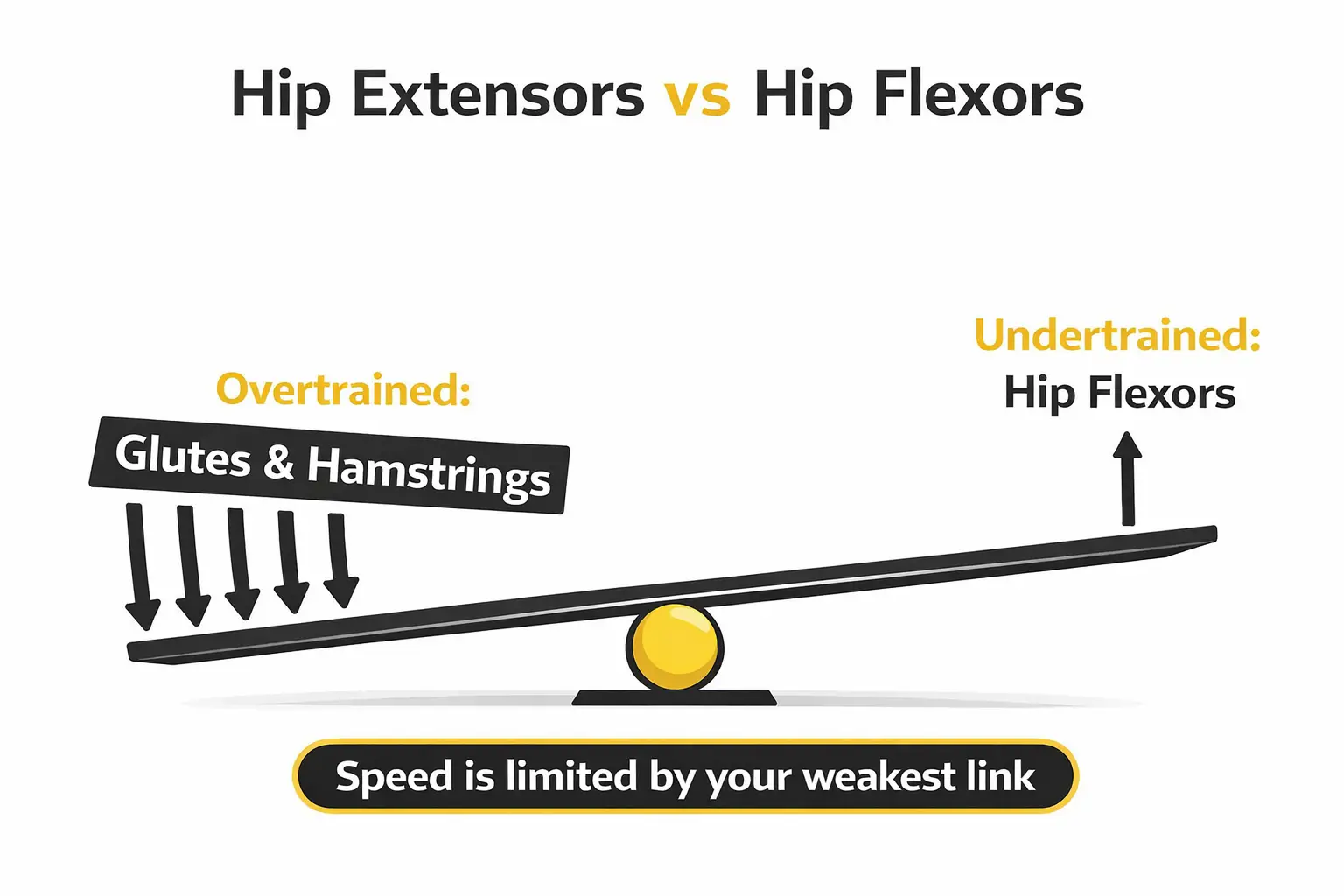
Push Phase vs Swing Phase: The Missing Half of Running Speed
Discover why push phase and swing phase must work together for running speed. Learn how imbalance limits performance and how to fix it.