

Home » Why You're Not Getting Faster » What Real Speed Improvement Actually Looks Like
🧠 Introduction
In most cases, the first thing athletes notice is simple:
💥 their times start to drop
👉 often within the first few weeks
👉 sometimes sooner
👉 and that’s the exciting part
👉 but right after that…
👉 a different question shows up:
💥 “why is this working?”
👉 because it doesn’t feel
👉 like what they’re used to
👉 they don’t feel like
👉 they have to strain
👉 their stride feels lighter
👉 their steps feel more responsive
👉 everything starts feeling
👉 more balanced and supported
💥 like running has become easier
👉 not because they’re trying harder
💥 but because their system is finally working
👉 the way it should
⚡ Why This Matters
Most athletes assume speed improves because they:
👉 pushed harder
👉 worked longer
👉 forced more effort
💥 but with this kind of training,
👉 the change usually comes from something different
👉 the system becomes stronger
👉 where it was previously limited
👉 the swing phase starts matching the push
👉 the body becomes more balanced
👉 at a higher level
💥 and that’s what creates the outcome:
👉 easier speed expression
👉 cleaner timing between steps
👉 lower times
🧠 Why Results Can Show Up Quickly
This catches a lot of athletes off guard.
👉 because improvement
👉 doesn’t always take months
💥 sometimes it shows up right away
👉 not because everything changed
💥 but because something was missing
👉 think of it like this:
👉 imagine training your arms for years
👉 but only working your triceps
👉 because they’re bigger
👉 and seem more important
💥 and completely ignoring your biceps
👉 then one day, you start training them
💥 and immediately feel a difference
👉 not because your arms
👉 suddenly became strong
💥 but because the missing contribution
👉 was finally there
👉 just like the triceps
👉 are part of the arm
👉 but not the whole arm
👉 the push phase
👉 is part of running
👉 but not the whole system
👉 when you only train one side
💥 the system never fully develops
👉 but when you add
👉 what’s been missing
💥 everything starts to come together
👉 not because you suddenly got better
💥 but because the system
👉 could finally support itself correctly
⚡ What You Might Notice First
These are the early signs:
👉 your stride feels lighter
👉 your steps cycle faster
👉 your stride starts feeling
👉 more fluid and responsive
💥 sometimes for the first time
👉 not forced
👉 not exaggerated
💥 just easier
🧠 What’s Actually Changing
When this happens:
👉 your push becomes easier to express
👉 because your swing can finally match it
👉 and your arms support it
💥 the system is finally supporting
👉 and expressing force together
👉 instead of competing with itself
⚠️ What Doesn’t Always Change Right Away
This is important.
👉 your times may not drop
👉 immediately every session
👉 your performance may vary
👉 day to day
💥 because the system
👉 is still stabilizing
👉 but the system is improving
💥 and that’s what matters first
⚡ What Happens Over Time
As the system continues to improve:
👉 your stride becomes more consistent
👉 timing between steps becomes
👉 more repeatable
👉 your speed becomes easier to access
💥 and performance becomes
👉 more reliable
🧠 The Better Way to Measure Progress
Instead of only looking at times:
👉 pay attention to:
👉 how your stride feels
👉 how easily you can access speed
👉 how consistent your stride becomes
💥 those are the real indicators
🚀 What This Means for You
Real speed improvement often feels different
👉 than athletes expect.
👉 it feels lighter
👉 more responsive
👉 easier to access
💥 not because less force exists
👉 but because the system
👉 is finally supporting that force correctly
👉 and when that happens
👉 lower times stop feeling random
👉 they start becoming repeatable
🧭 Go Deeper
➡️ Why the Swing Phase Might Be the Missing Link in Your Speed
➡️ How the Arms and Torso Support Speed (And Why They Matter More Than You Think)
➡️ Why This Approach to Speed Training Works (When Others Don’t)
🎯 Start Here
Real speed improvement is not just about effort.
👉 it’s about whether the system
👉 can support and express speed correctly
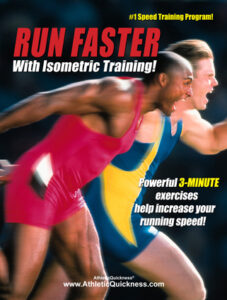
➡️ Run Faster With Isometric Training
A system-based approach to improving timing, balance, force support, and speed expression.
❓ FAQ
What are the first signs that speed training is working?
👉 many athletes notice lower times, lighter strides, and more responsive steps within the first few weeks
Why can speed improvements happen quickly?
👉 because many athletes already have strength, but are missing support from another part of the system
Why does running start feeling easier?
👉 because the system becomes more balanced and supports force more efficiently
Should I only judge progress by my times?
👉 no — changes in stride feel, responsiveness, and repeatability are also important indicators of real progress