

Home » Running Mechanics Explained » Why Some Athletes Feel Faster Before They Actually Run Faster
🧠 Introduction
Some athletes notice something strange during speed training.
Before major time drops happen…
👉 sprinting suddenly feels different.
Movement may feel:
• smoother
• lighter
• quicker
• less forced
• more connected
And many athletes immediately wonder:
👉 “Am I actually getting faster?”
Interesting question.
Because Athletic Quickness (AQ) says:
💥 sometimes the sprint system begins improving BEFORE maximum speed fully expresses itself.
That is a HUGE distinction.
Because athletes often assume:
❌ speed only matters once the stopwatch changes.
But AQ says:
💥 important sprint-system changes may happen underneath first.
That changes how progress should be understood completely.
💥 AQ uses “sprint system” to describe how the entire body — especially the swing leg, arms, and torso — supports and balances aggressive pushing-leg expression during high-speed running.
⚡ Why Sprinting Can Feel Different Before Times Change
This is one of the most common athlete experiences in speed development.
Athletes often report:
• sprinting feels smoother
• turnover feels easier
• rhythm feels cleaner
• movement feels lighter
• speed feels less forced
Even BEFORE:
- dramatic speed improvements appear.
Interesting.
Because many athletes expect:
❌ progress should immediately show up on the stopwatch.
But AQ says:
💥 the sprint system may begin reorganizing support relationships first.
That is VERY important.
🔄 What May Actually Be Improving Underneath
When athletes suddenly FEEL different while sprinting:
AQ says several things may already be improving simultaneously:
• timing between steps sharpens
• force flows through the stride more continuously
• swing-leg aggression supports the sprint system more effectively
• rotational support from the arms improves
• interruptions inside the sprint cycle decrease
• aggressive pushing-leg expression becomes more balanced
👉 Suddenly sprinting may FEEL:
- cleaner
- quicker
- smoother
- less interrupted
Even before maximum speed fully catches up.
That is one of the deepest AQ distinctions.
⚡ Why The Stopwatch May Lag Behind
This is another important realization.
Because sprinting is not:
❌ one isolated output.
It is:
💥 a continuously supported system.
That means improvements may happen in stages.
Sometimes:
- support relationships improve first
- timing sharpens first
- movement flow improves first
- sprint-system balance improves first
👉 THEN speed expression begins expanding later.
Interesting.
Because many athletes quit too early when:
❌ immediate measurable results do not appear.
But AQ says:
💥 the sprint system may already be reorganizing itself underneath.
That is HUGE psychologically.
🚨 Why The Body Does Not Instantly Express Maximum Speed
This connects directly into one of AQ’s biggest mechanics ideas:
👉 self-regulation.
Because the body does not simply allow:
❌ unlimited aggressive force expression immediately.
It constantly asks:
• can the sprint system support this?
• can timing between steps remain organized?
• can the swing side keep up?
• can force continue flowing through the stride smoothly?
• can aggressive pushing-leg expression stay balanced?
👉 If those support relationships are not ready yet…
💥 the body self-regulates force expression, downward, to preserve sprint-system balance.
That changes everything.
Meaning:
👉 athletes may FEEL mechanical improvements before the body fully allows higher-speed expression.
That is a massive AQ distinction.
⚡ Why Smoother Sprinting Often Comes First
This explains why athletes often notice:
• cleaner rhythm
• lighter movement
• smoother acceleration
• easier turnover
• more fluid sprinting
BEFORE:
👉 major performance jumps appear.
Interesting.
Because smoother sprinting may reflect:
💥 stronger sprint-system organization underneath.
Not merely:
❌ better “coordination.”
Huge difference.
Because when:
• support relationships strengthen
• timing sharpens
• interruptions decrease
• the sprint system stops fighting itself internally
👉 aggressive movement becomes easier to support continuously.
That changes how sprinting FEELS.
And eventually:
👉 how sprinting PERFORMS.
🔥 Why This Matters So Much For Athletes
This is one of the biggest mental traps in speed training.
Many athletes assume:
👉 “If my time didn’t drop immediately, nothing changed.”
But AQ says:
💥 important sprint-system improvements may already be happening underneath.
That is incredibly important.
Because athletes often abandon training:
❌ right before deeper speed expression begins emerging.
Huge mistake.
Sometimes the sprint system needs time to:
• stabilize support relationships
• organize aggressive movement better
• improve timing between steps
• balance pushing-leg expression
• strengthen uninterrupted force flow through the stride
👉 THEN larger speed jumps may begin appearing.
That is VERY AQ.
🛠️ What This Means For Speed Training
👉 speed training is more than:
• chasing immediate times
• forcing turnover
• trying harder
• sprinting more aggressively alone
Because athletes also need to improve:
• whole-body push support
• swing-leg aggression
• timing between steps
• rotational support from the arms
• force flowing through the stride more continuously
• sprint-system balance
• balanced aggressive pushing-leg expression
💥 Everything must support everything else continuously.
👉 Everything.
Because sprinting is not:
❌ isolated output
It is:
💥 aggressive movement supported continuously across the sprint system.
That is one of AQ’s deepest distinctions.
🚀 What This Means For You
If sprinting suddenly feels:
• smoother
• lighter
• cleaner
• quicker
• less forced
👉 do not ignore that.
AQ says those sensations may reflect:
💥 real sprint-system improvements happening underneath.
That changes how progress should be understood.
Because sometimes:
💥 athletes begin FEELING faster before the body fully allows them to EXPRESS maximum speed.
That is a very different interpretation of speed development.
🧭 Go Deeper
👉 These articles connect directly into the larger AQ sprint framework:
➡️ What Exactly Is Coordination in Running?
➡️ Why Running Smooth May Be More Than Just Good Form
➡️ Why Running Relaxed May Be a Result of Better Mechanics
👉 Together, these articles explain:
• sprint-system support
• timing between steps
• self-regulation
• uninterrupted force flow through the stride
• whole-body push support
🎯 Start Here
👉 Want to see how AQ applies these ideas into actual speed training?
💥 Start here:
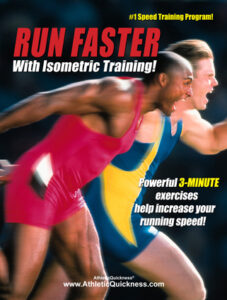
➡️ Run Faster With Isometric Training
👉 This is where the AQ framework connects:
• sprint mechanics
• resistance-band isometrics
• aggressive swing development
• whole-body push support
• uninterrupted sprint cycling
• sprint-system balance
❓ Frequently Asked Questions
Can you feel faster before you actually run faster?
👉 AQ says many athletes experience smoother, lighter, cleaner sprinting before major time drops appear.
Why can sprinting suddenly feel easier?
👉 Because support relationships, timing, and sprint-system organization may already be improving underneath.
Why doesn’t speed improve instantly?
👉 AQ believes the body self-regulates aggressive force expression until the sprint system can support higher-speed movement more continuously.
What does AQ believe matters most for speed development?
👉 AQ increasingly focuses on how effectively the sprint system supports and balances aggressive pushing-leg expression continuously during sprinting.
Why can smoother sprinting matter even before times improve?
👉 Because smoother sprinting may reflect deeper sprint-system improvements that eventually support greater speed expression later.